Small kitchens can still be fully functional cooking spaces with the right approach to organization. These small apartment kitchen organization ideas will help you make the most of limited counter and cabinet space while creating a cooking environment that's both efficient and enjoyable.
Many apartment dwellers assume that small kitchens mean sacrificing functionality, but that's simply not true. With strategic planning and the right storage solutions, your compact kitchen can work harder and better than larger spaces. The key is maximizing every inch of available space while maintaining accessibility and visual appeal.
Master the Art of Vertical Cabinet Storage
The inside of cabinet doors is often wasted space, but it holds tremendous potential for small kitchen organization. Install adhesive-backed hooks for measuring cups, creating a custom hanging system that keeps essential tools visible and within reach. Small tension-mounted racks designed for spices can transform the inside of cabinet doors into a convenient spice station, eliminating the need for dedicated drawer space.
Corkboard mounted with removable adhesive strips creates the perfect backdrop for keeping frequently used recipes visible while cooking. This system allows you to pin cooking notes, family recipes, and measurement conversions in a water-resistant format that won't damage your cabinets.
For deeper cabinets, consider installing narrow pull-out drawers or rotating carousels in corner cabinets. These solutions make the back of cabinets accessible without having to remove everything in front. Pull-out systems are particularly valuable for small kitchens where cabinet space is at a premium.
Implement Uniform Container Systems
Replace bulky food packaging with uniform, stackable containers to maximize pantry space and maintain visual consistency. Clear containers allow you to see contents at a glance while protecting dry goods from pests and moisture. Choose containers in consistent sizes to stack efficiently and create a cohesive look.
Glass containers with airtight seals work best for items like flour, sugar, and rice, while BPA-free plastic containers are ideal for bulk purchases and freezer storage. Label each container clearly with contents and purchase dates using waterproof labels that won't peel off with humidity.
Uniform container systems also make grocery shopping more efficient. You can easily see what you're running low on and avoid buying duplicates of items you already have. This prevents the accumulation of partial packages that take up valuable cabinet space.
Create Efficient Wall-Mounted Storage Solutions
Free up drawer and counter space by mounting magnetic knife strips on walls or backsplashes. Modern magnetic strips hold knives securely while keeping them visible and accessible for quick food preparation. Choose strips with the appropriate strength for your knife types, and install them at a comfortable height for your primary user.
Magnetic spice jars mounted on refrigerator sides or dedicated metal strips create a space-efficient spice organization system. This keeps frequently used seasonings visible and accessible while freeing up cabinet space for larger items. Choose uniform spice jars to maintain visual consistency and make refilling more manageable.
Wall-mounted utensil holders near cooking areas keep essential tools within reach while reducing drawer crowding. Select holders with sufficient depth to accommodate various utensil sizes and consider versions with dividers to organize different types of tools.
Optimize Sink Area Functionality
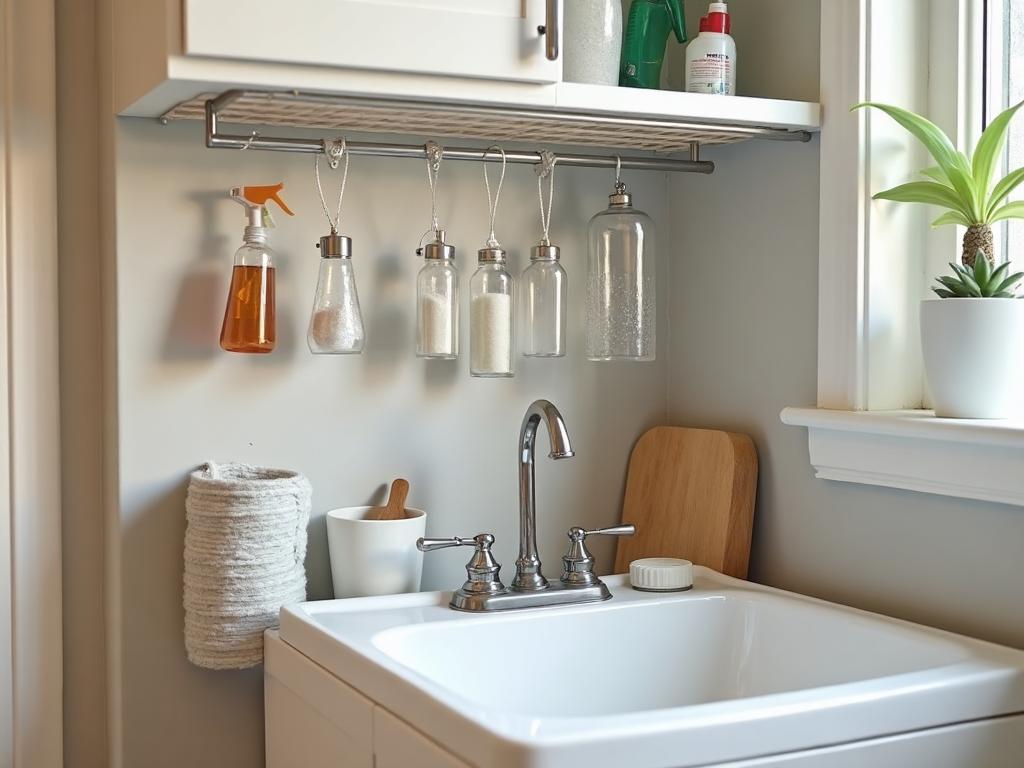
A cutting board that fits over your sink creates instant counter space when you need it most, especially during food preparation. Look for models with built-in colanders or scrap containers to streamline the prep process and keep your workspace organized. Some cutting boards even include raised edges to prevent food scraps from rolling off into the sink.
Over-sink dish racks that retract when not in use are perfect for small kitchens. These space-saving solutions allow you to dry dishes efficiently while keeping the sink area functional for other tasks. Choose models with adjustable widths to fit various sink sizes and consider designs that include utensil holders for smaller items.
Under-sink organizers with pull-out drawers maximize this often-wasted space. Install organizers that work around plumbing while providing storage for cleaning supplies, dish towels, and cooking accessories. Look for systems with built-in trash bag holders or recycling compartments for added convenience.
Implement Smart Pot and Pan Storage
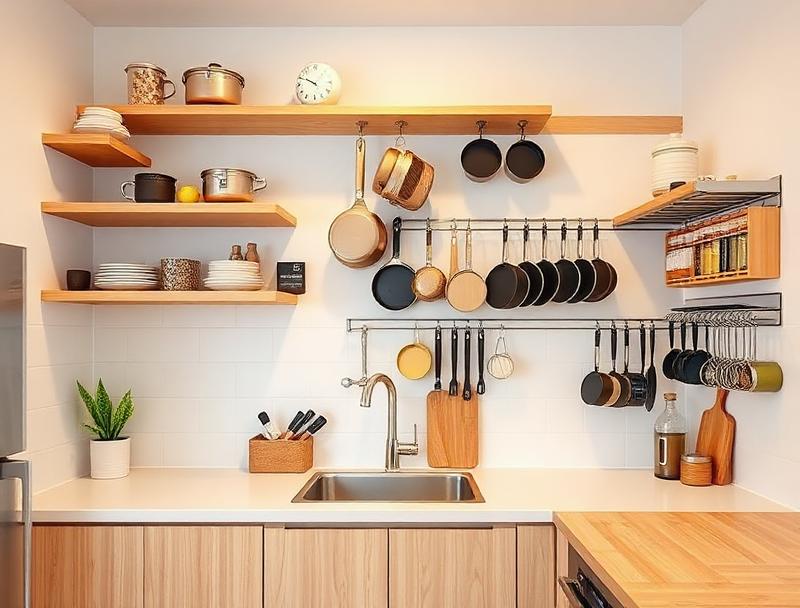
Install a ceiling-mounted pot rack or use a wall-mounted pegboard system to hang pots, pans, and frequently used utensils. This frees up cabinet space for food storage while keeping cookware accessible and visible. For apartments without ceiling mounting options, wall-mounted pegboards work just as effectively and can be customized with various hook configurations.
Vertical dividers in cabinets help store baking sheets, cutting boards, and pot lids upright, making them easy to access without disturbing other items. Adjustable dividers accommodate various sizes and can be reconfigured as your cookware collection changes.
Consider investing in stackable pot and pan sets with lids that nest together. This reduces storage requirements while providing versatile cooking options. Look for sets with detachable handles that allow for more compact storage and easier handling.
Create Hidden Appliance Storage
Keep counters clear by creating an appliance garage—a dedicated cabinet space with roll-up doors or curtains where small appliances can hide when not in use. This maintains a clean, uncluttered appearance while keeping appliances accessible for daily use. Choose a cabinet near your primary work area for maximum convenience.
For apartments with limited cabinet space, consider using a freestanding appliance cart with storage underneath. These mobile units provide additional workspace and storage while being easily relocated when needed. Look for carts with locking wheels for stability during use.
Built-in appliance integration, where possible, creates a seamless look while maximizing storage efficiency. This might involve custom cabinet modifications or choosing appliances designed to fit specific cabinet configurations.
Maximize Drawer Organization
Drawer dividers and organizers transform cluttered drawers into efficient storage systems. Use dividers to create designated spaces for utensils, gadgets, and small appliances. Adjustable systems work best as they can adapt to your specific collection of kitchen tools.
Deep drawers benefit from tiered organizers that create multiple levels of storage, making items in the back easily accessible. Pull-out drawer systems provide full access to drawer contents without having to dig through items in front.
Consider drawer-mounted spice racks that pull out for easy access while keeping spices organized vertically. These systems make the most of drawer space while keeping frequently used seasonings visible and within reach.
Implement Zone-Based Organization
Create designated zones for different kitchen activities: prep, cooking, cleaning, and storage. Group similar items together in logical locations to reduce time spent searching for tools and ingredients. This zone approach makes cooking more efficient and cleanup more systematic.
Prep zones should be located near cutting boards and knives, with containers for temporary food storage and waste. Cooking zones need easy access to pots, pans, and frequently used seasonings, while cleaning zones should have all supplies organized near the sink and dishwasher.
Storage zones maintain organized pantries and cabinets with items grouped by frequency of use and cooking category. This systematic approach reduces stress during meal preparation and makes grocery shopping more efficient.
Maintain Organization Through Daily Habits
Small kitchen organization requires consistent daily maintenance to remain effective. Spend a few minutes each day returning items to their designated places, wiping down surfaces, and tidying up after cooking. These small efforts prevent clutter from accumulating and make weekly deep cleaning sessions unnecessary.
Create simple habits like putting tools away immediately after use, wiping down counters while cooking, and doing dishes right after meals. These practices maintain the organization systems you've implemented while keeping your kitchen functional and welcoming.
Regular inventory management helps prevent overstocking and ensures you use ingredients before they expire. Rotate items when unpacking groceries, placing new items behind older ones to use first. This first-in-first-out system prevents waste and maintains organized storage spaces.