Moving into your first small apartment can feel overwhelming, especially when it comes to keeping everything organized. But don't worry—with the right small apartment organization ideas for beginners, you can transform even the tiniest space into a functional, clutter-free home.
Starting your organization journey in a small apartment requires a strategic approach that balances functionality with personal style. Whether you're fresh out of college, downsizing for financial reasons, or simply embracing minimalism, these small apartment organization ideas for beginners will set you up for long-term success.
Start with the Declutter Mindset
Before buying any storage solutions, take time to evaluate what you actually need. The most effective organization starts with owning less. Go through each room and ask yourself: "Have I used this in the past year?" If not, consider donating or selling it.
For beginners, decluttering is often the most challenging step. Start with a single drawer or shelf rather than trying to tackle your entire apartment at once. Use the "Keep, Donate, Trash" method, but add a fourth category: "Maybe." Place items you're unsure about in a box and revisit it after three months. If you haven't missed anything, it's time to let go.
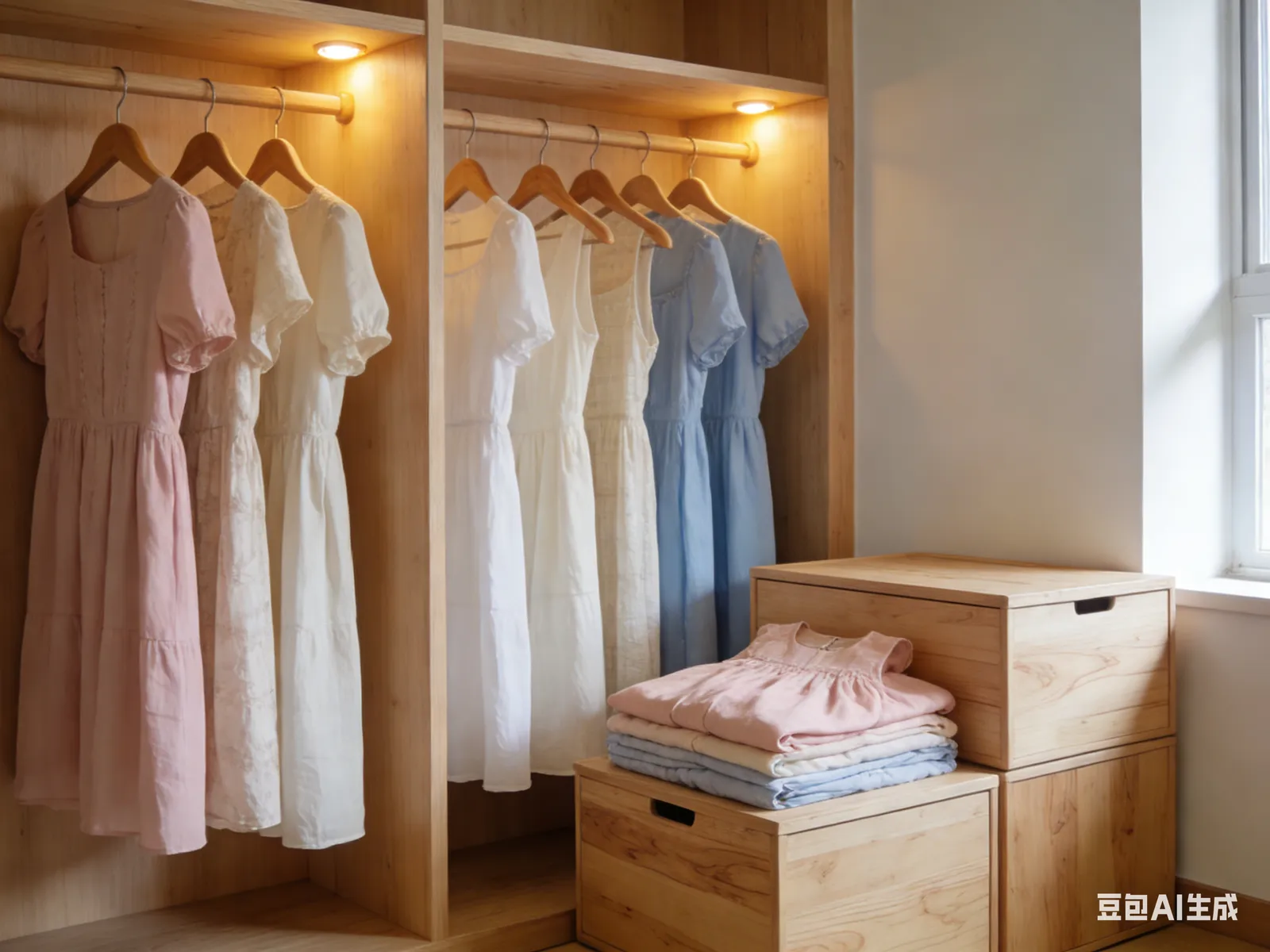
Consider the 80/20 rule: you likely wear 20% of your clothes 80% of the time. If you haven't worn an item in six months (excluding seasonal clothing), it's probably taking up valuable space that could be better utilized.
Embrace Vertical Storage Solutions
In a small apartment, floor space is precious. Look up! Install floating shelves, use over-door organizers, and invest in tall bookcases. Vertical storage maximizes every square inch without making your space feel cramped.
Vertical storage is a game-changer for beginners. Start with simple adhesive-backed floating shelves that require no drilling—perfect for renters. These can hold books, decorative items, or everyday essentials like keys and mail. Over-door organizers work wonders in bathrooms and closets, while tall, narrow bookcases provide maximum storage in minimum floor space.
Don't forget about unused wall space above doors and windows. These often-overlooked areas can hold everything from art supplies to seasonal decorations. For extra storage without commitment, consider tension-mounted shelves that require no permanent installation.
The One-In-One-Out Rule for Beginners
Maintain your organized space by following this simple rule: for every new item you bring in, one item must leave. This prevents accumulation and keeps your small apartment organization ideas working long-term.
This rule is especially crucial for beginners who are still establishing their organizational habits. Make it a family rule that everyone understands. When you bring home new clothes, accessories, or home goods, immediately identify what will leave to make room. This prevents the gradual accumulation that leads to clutter in small spaces.
Set up a "donation box" in your closet or entryway where you can immediately place items that no longer serve you. This visual reminder helps maintain the habit and makes donation trips more efficient.
Create Functional Zones in Your Space
Even in a studio apartment, create distinct zones for different activities—sleeping, working, dining, and relaxing. Use rugs, furniture arrangement, or even curtains to visually separate these areas.
For beginners, zone creation is essential for mental clarity in a small space. Start with your most important activities: sleep, work, and relaxation. In a studio, position your bed away from your workspace, even if it means placing it in what might seem like an unconventional spot. Use area rugs to define zones, and consider room dividers if you need more separation.
Lighting plays a crucial role in zone creation. Use table lamps, floor lamps, and even string lights to create distinct atmospheres for different areas. Your work zone might benefit from bright, focused lighting, while your relaxation zone should feel cozy and warm.
Invest in Multi-Functional Furniture
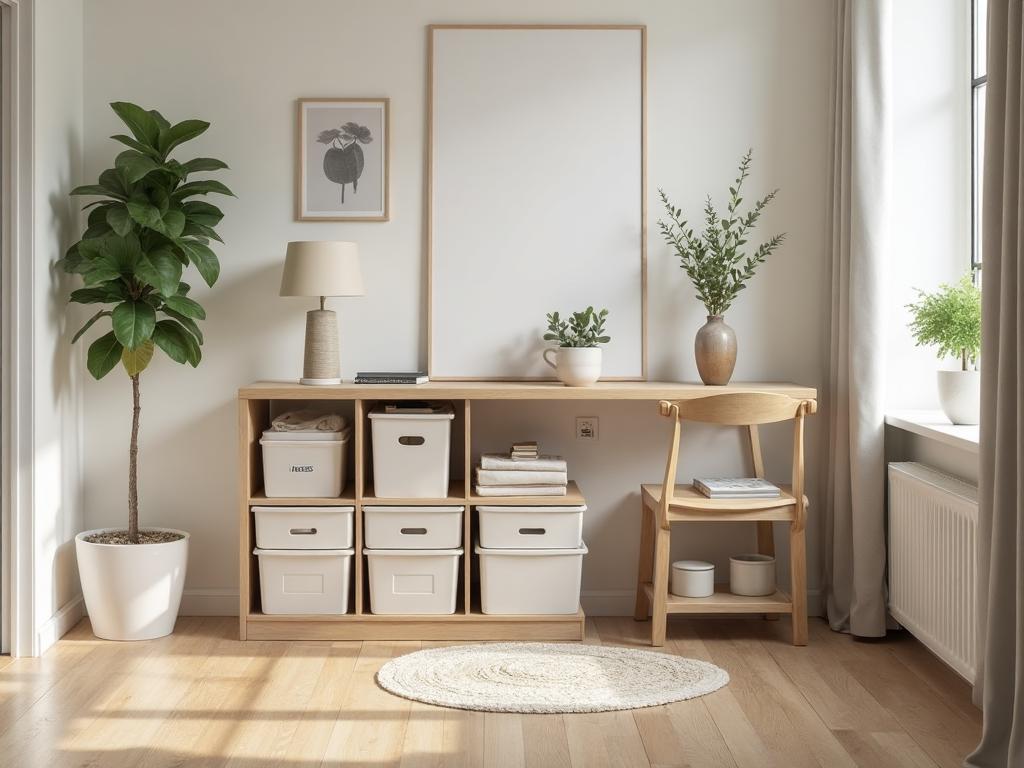
Choose furniture that serves multiple purposes: ottomans with storage, beds with drawers underneath, or coffee tables with shelving. Every piece should earn its place in your apartment.
Multi-functional furniture is non-negotiable for small apartment organization. Look for pieces that can transform throughout the day—a dining table that becomes a desk, storage ottomans that serve as seating and blankets storage, or a daybed that functions as both seating and sleeping space.
For beginners on a budget, thrift stores and online marketplaces are goldmines for multi-functional furniture. Look for pieces with built-in storage or those that can be easily modified. An old trunk can serve as a coffee table and storage bin, while a vintage dresser can be converted into a TV stand or desk.
Master the Art of Clear Containers
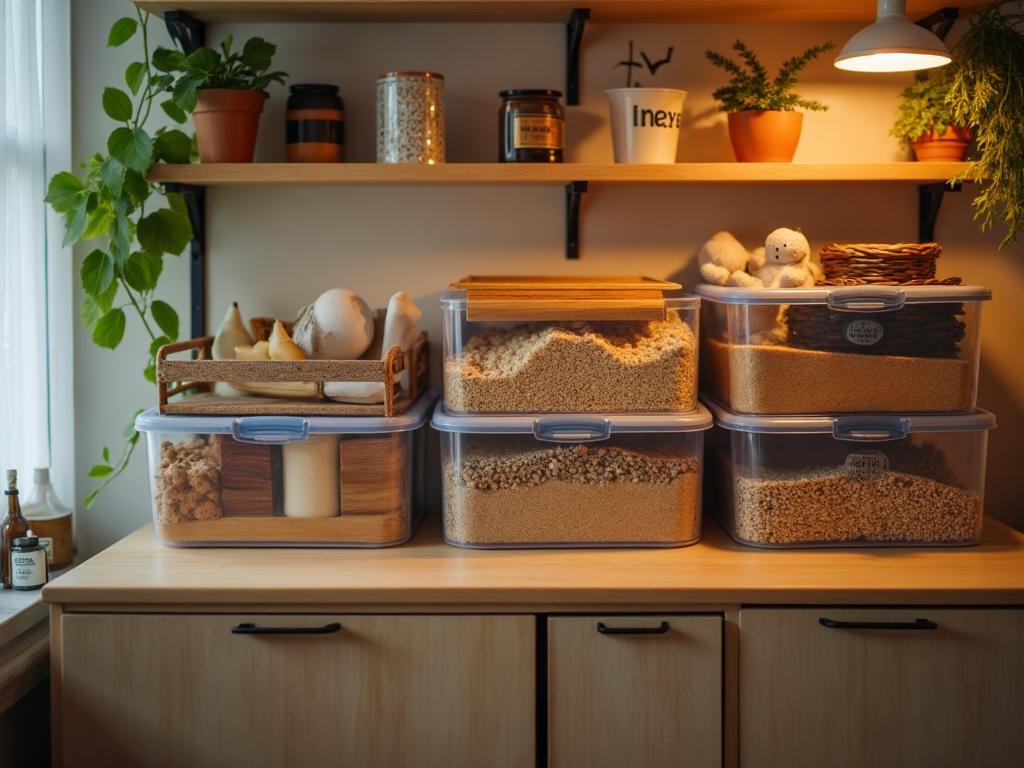
Transparent storage bins and containers let you see exactly what's inside without rummaging. Label them for even easier access and to maintain your organization system.
Clear containers are beginner-friendly because they provide visual confirmation that everything is in its place. Start with uniform container sizes—this creates a cohesive look and maximizes storage efficiency. Clear plastic bins are affordable and versatile, while glass containers add elegance for items you display prominently.
Invest in a good label maker or use simple masking tape and a marker for labeling. Include the date for items that have expiration dates or seasonal rotation. This labeling system makes it easy to maintain your organization as a beginner and helps family members or roommates understand your system.
Develop Daily Maintenance Habits
Spend just 10 minutes each day tidying up. Put things back where they belong immediately. Small, consistent efforts prevent big organizational disasters.
For beginners, consistency matters more than perfection. Set a daily timer for 10 minutes and focus on one area each day. Monday might be the bathroom, Tuesday the kitchen counter, Wednesday your workspace. This rotation ensures nothing gets neglected for too long.
Create simple habits like making your bed immediately upon waking, doing dishes right after meals, and putting clothes back in their designated spots. These small actions prevent clutter from accumulating and make weekly deep cleaning sessions much easier.
Budget-Friendly Organization for Beginners
You don't need expensive solutions to implement effective organization. Start with what you have and gradually invest in better systems as your budget allows.
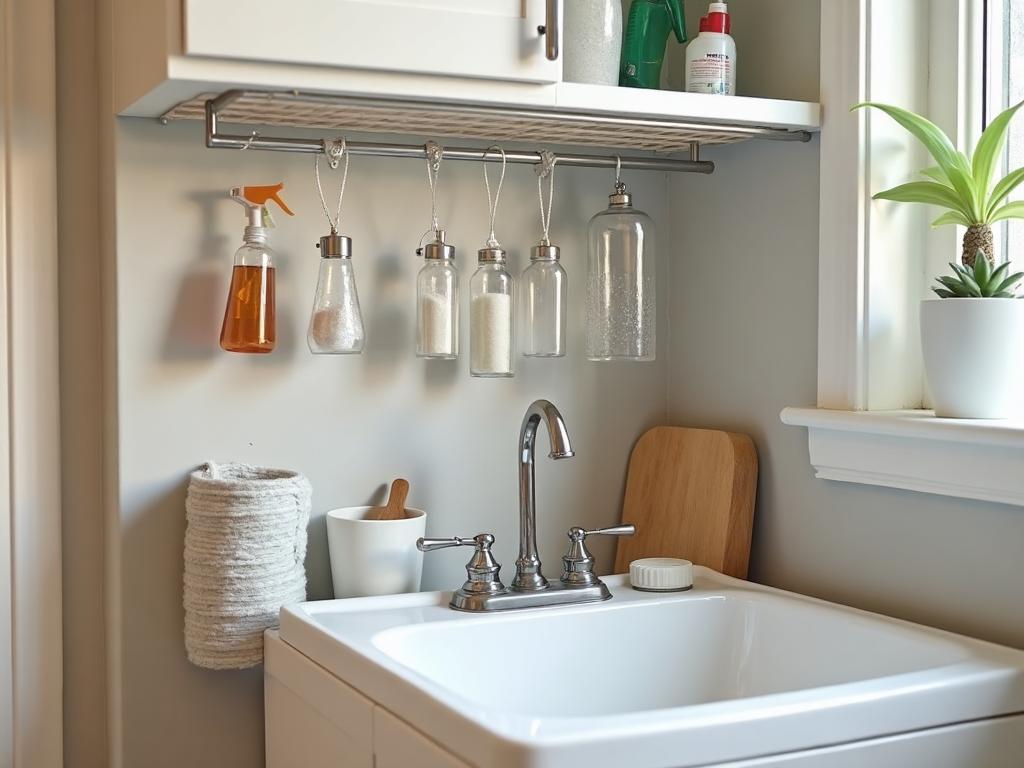
Dollar stores offer surprisingly effective organization tools: plastic bins, drawer dividers, over-the-door organizers, and hooks. Repurpose items you already own—mason jars become storage containers, shoe boxes become drawer organizers, and old picture frames can be converted into charging stations.
Prioritize your spending based on impact. Invest first in solutions that solve your biggest pain points, then gradually upgrade to more aesthetically pleasing or durable options.