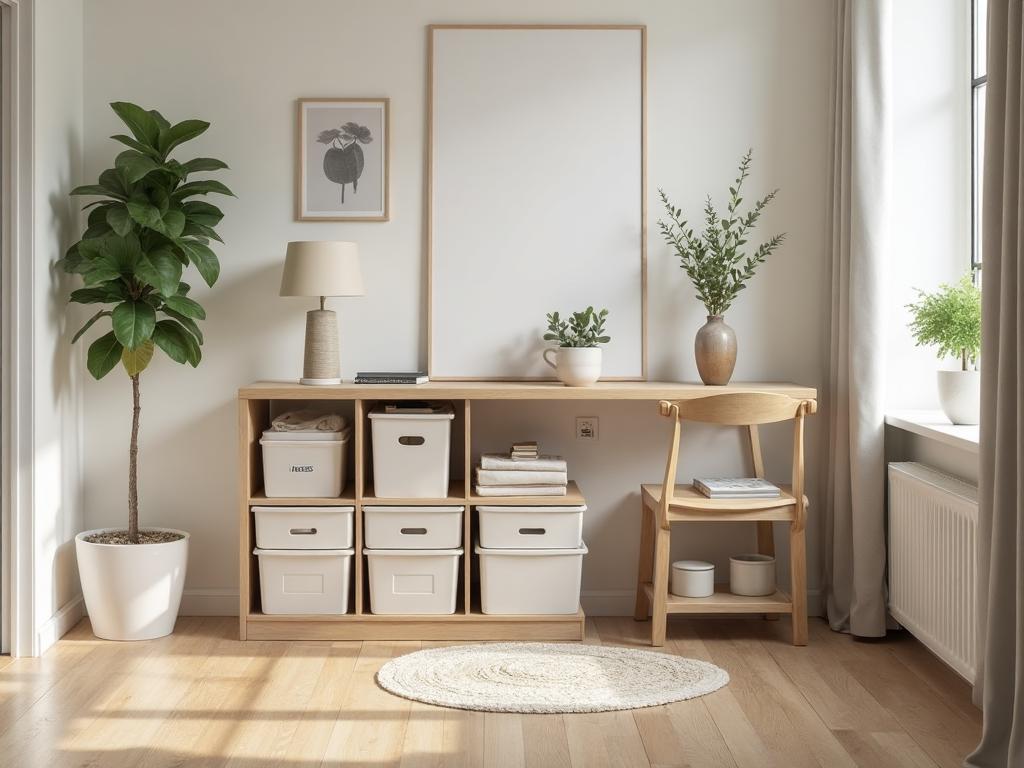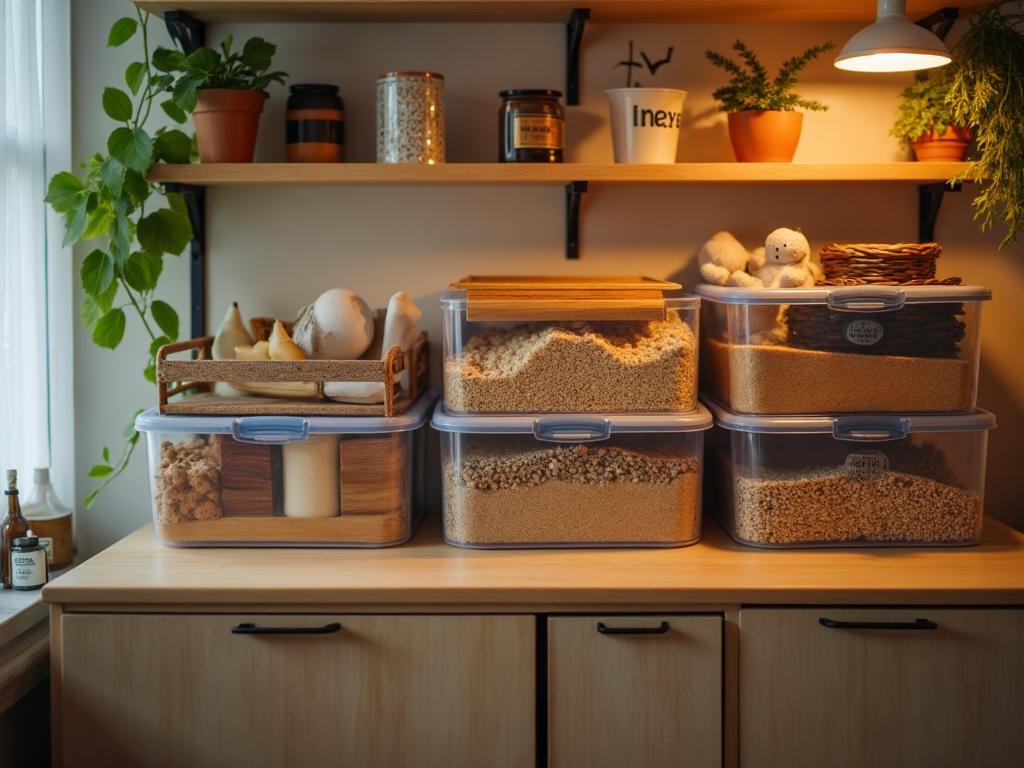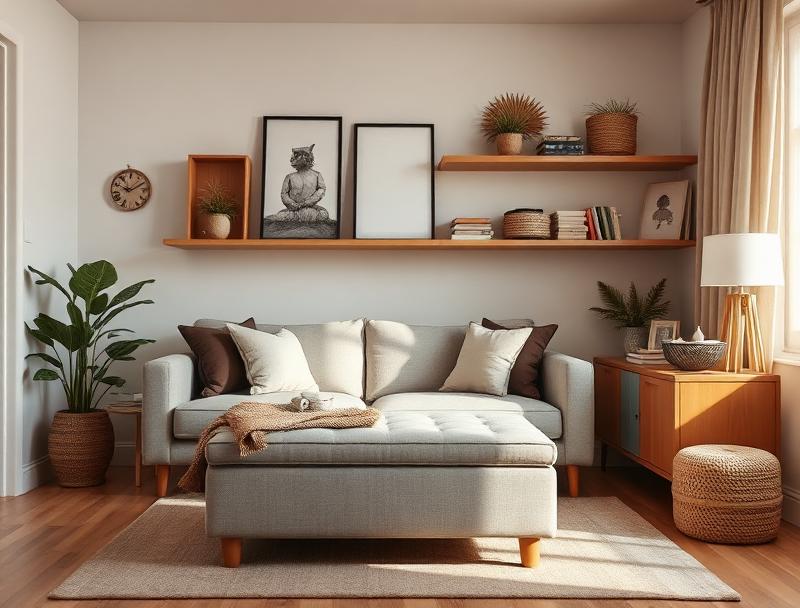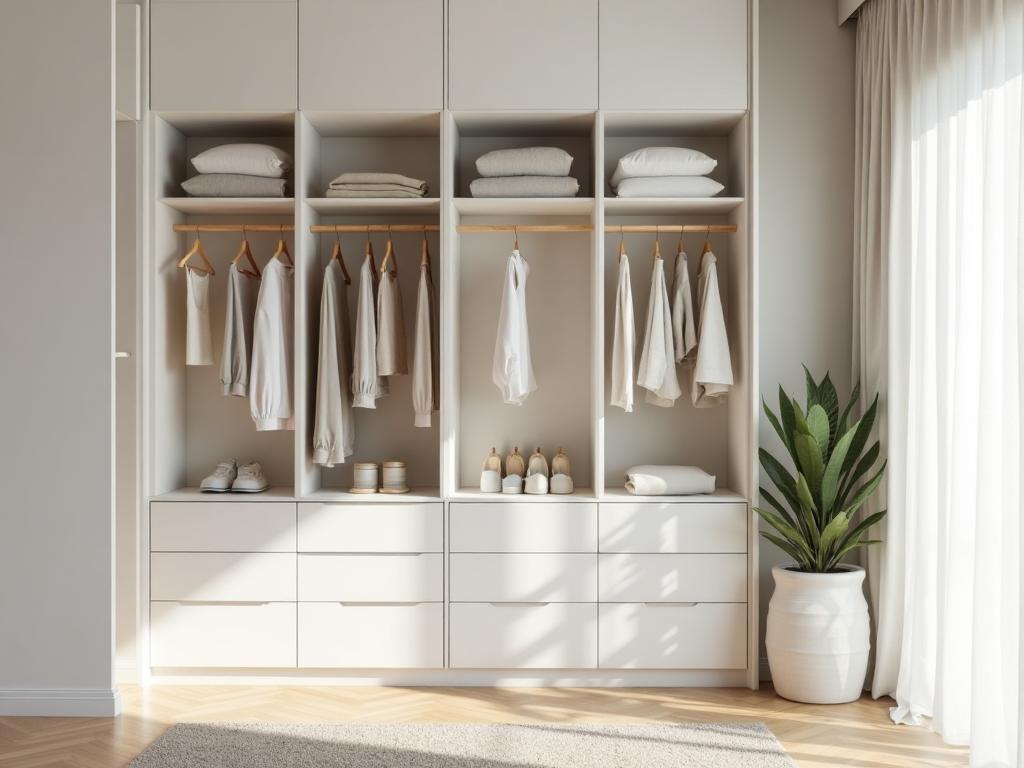
Minimalism and small apartment living are natural partners, creating spaces that feel calm, intentional, and surprisingly functional despite their compact size. These small apartment organization hacks for minimalists help you maintain a serene, clutter-free environment while maximizing the utility of every item you choose to keep. The minimalist approach to organization goes beyond simple storage – it's about creating intentional systems that support your lifestyle while eliminating visual and mental clutter.
The 30-Day Minimalism Game: Systematic Approach to Serious Decluttering
The 30-Day Minimalism Game represents one of the most effective systematic approaches to serious decluttering, transforming the overwhelming process of downsizing into a manageable daily practice. This method works by gradually increasing the number of items you remove each day, creating momentum while preventing decision fatigue that often derails decluttering efforts.
Begin with day one: remove just one item from your apartment. This could be anything – a magazine, worn-out sock, duplicate kitchen utensil, or decorative item that no longer serves a purpose. Day two requires removing two items, and so on, building to ten items per day by day ten, and continuing through the month. By day thirty, you'll have removed 465 items, creating substantial space and clarity in your living environment.
The beauty of this system lies in its psychological impact. Starting small builds confidence and creates positive momentum that makes the larger tasks later in the month feel manageable. Many people find that by day ten, they're so motivated by the results that they want to continue beyond the required items per day. Consider documenting your progress with before-and-after photos to see the transformation and maintain motivation throughout the process.
One-In-Ten-Out Challenge: Aggressive Approach to Rapid Minimalism
Take the traditional one-in-one-out rule to its logical extreme with the One-In-Ten-Out Challenge, an aggressive but highly effective method for achieving minimalism rapidly. This approach requires that for every new item you bring into your apartment, you must remove ten existing items, creating immediate balance and preventing the accumulation that undermines minimalist goals.
This challenge works exceptionally well for people who struggle with the slow pace of traditional decluttering methods. By requiring removal of ten items for every new purchase, you become much more selective about what you bring into your space. Each potential purchase must be evaluated against the effort of removing ten existing items, often revealing that the new item isn't worth the decluttering effort required.
Apply this rule to all categories of items – clothing, books, electronics, furniture, and decorative objects. For larger items like furniture, consider the cumulative impact over time. If you bring in a new bookshelf, you might need to remove forty books to maintain the ratio. This system creates a natural filter that prevents impulse purchases and encourages more thoughtful consumption habits.
Hidden Single-Purpose Storage: Invisible Functionality in Clean Spaces
Everything you own should have a designated hidden spot, creating minimalist spaces that appear empty but function fully through This approach to invisible storage systems. organization prioritizes visual calm while maintaining complete functionality, requiring careful planning and creative storage solutions that work with your minimalist aesthetic.
Create hidden storage within furniture pieces – ottomans that open to reveal blankets, coffee tables with internal compartments, and beds with built-in drawers. Use vertical space with floor-to-ceiling storage that appears as part of the room's architecture rather than as furniture pieces. Every visible item should serve a clear purpose, while all storage remains concealed or disguised as architectural elements.
This system requires you to inventory everything you own and assign each item a specific storage location. The key is ensuring that nothing sits out unless it serves a current functional or aesthetic purpose. Regular maintenance is crucial – items must be returned to their designated homes immediately after use to maintain the clean, minimalist appearance that makes small spaces feel larger and more serene.
Digital Over Physical: Converting Tangible Clutter to Digital Files
Digitizing photos, documents, books, and media creates dramatic physical space savings while maintaining access to information and memories. This approach works particularly well for items that serve informational purposes rather than tactile ones, freeing massive amounts of physical space while often improving organization and accessibility.
Start with photographs, which often take up the most physical space but provide the least functional storage challenges when digitized. Use cloud storage services with automatic backup to protect your digital photo collection. Organize digital photos with descriptive folders and tags that make retrieval intuitive and quick. Consider digitizing important documents, manuals, and reference materials that can be accessed more efficiently from digital formats.
Books present a more complex decision point for minimalists. While many people enjoy the tactile experience of physical books, consider the trade-off between emotional attachment and functional space usage. Keep only books that serve immediate reference purposes or hold deep sentimental value, and digitize the rest for occasional reading while freeing substantial shelf space for other uses.
Capsule Everything: Minimalist Principles Applied Systematically
Apply the capsule wardrobe concept systematically throughout your apartment, creating capsule versions of every category of items you own. A capsule kitchen features minimal, multi-purpose tools that eliminate redundancy while maintaining complete cooking capability. A capsule bathroom contains only essential items that serve multiple functions without excess.
Start with your capsule kitchen by inventorying every tool, appliance, and utensil, then eliminate duplicates and items that serve very specific purposes you rarely need. Keep only knives that you actually use regularly, tools that serve multiple functions, and appliances that justify their counter space through frequent use. The result should be a streamlined kitchen where every item serves a clear purpose and earns its storage space.
Apply this same principle to your wardrobe, bathroom products, cleaning supplies, and entertainment items. Each category should contain only items that you use regularly and that serve genuine purposes in your daily life. The goal isn't deprivation – it's ensuring that every item you keep adds value to your life and your living space rather than creating clutter and maintenance burdens.
Regular Reset Rituals: Maintaining Minimalist Systems Over Time
Schedule monthly decluttering sessions as essential maintenance rituals for your minimalist lifestyle. Minimalism isn't achieved once and forgotten – it's maintained through regular, intentional editing of your possessions that prevents gradual accumulation and maintains the calm, functional environment that makes small apartment living enjoyable.
Set aside the same day each month for your reset ritual, treating it as a non-negotiable appointment with yourself and your space. During these sessions, review every category of items in your apartment, identifying anything that no longer serves a purpose or brings value to your life. Use the same decision-making criteria you applied during initial decluttering: if you haven't used an item in the past month and don't have specific plans for it, consider removing it.
These regular sessions also provide opportunities to optimize your storage systems and reorganize items for better efficiency. As your lifestyle changes and your needs evolve, your minimalism systems should evolve as well. The goal is maintaining a space that supports your current life rather than clinging to items that represented past needs or future possibilities that may never materialize.
Advanced Minimalist Organization Strategies
Beyond these core strategies, successful minimalist organization in small apartments requires attention to visual consistency, multi-functional design, and regular system maintenance. Choose furniture and storage solutions that blend seamlessly with your architecture, creating clean lines and consistent materials that don't compete for visual attention. Every storage solution should be both functional and aesthetically pleasing, contributing to rather than detracting from your minimalist environment.
Consider the flow of daily activities when designing your minimalist systems. Items you use frequently should be easily accessible without breaking your aesthetic goals. Create designated homes for everything, but ensure those homes support both functionality and visual calm. Regular assessment and adjustment of your systems ensures they continue to serve your needs as your lifestyle and priorities evolve.
Remember that minimalism is ultimately about intentional living rather than deprivation. The goal is creating space for the things and activities that truly matter to you while eliminating the constant maintenance burden that comes with excess possessions. In small apartments, this approach isn't just aesthetically pleasing – it's essential for creating living spaces that support rather than drain your energy and creativity.