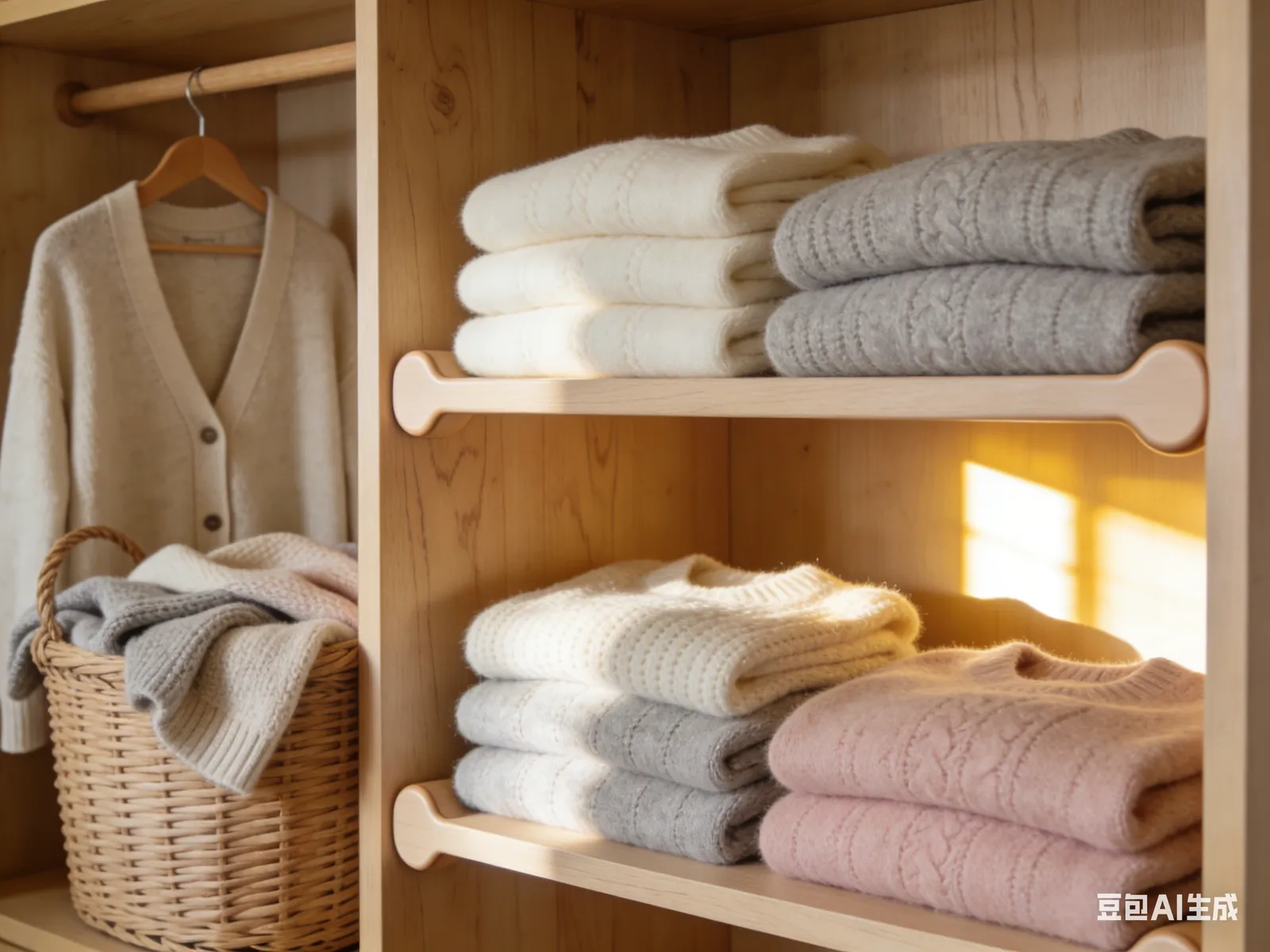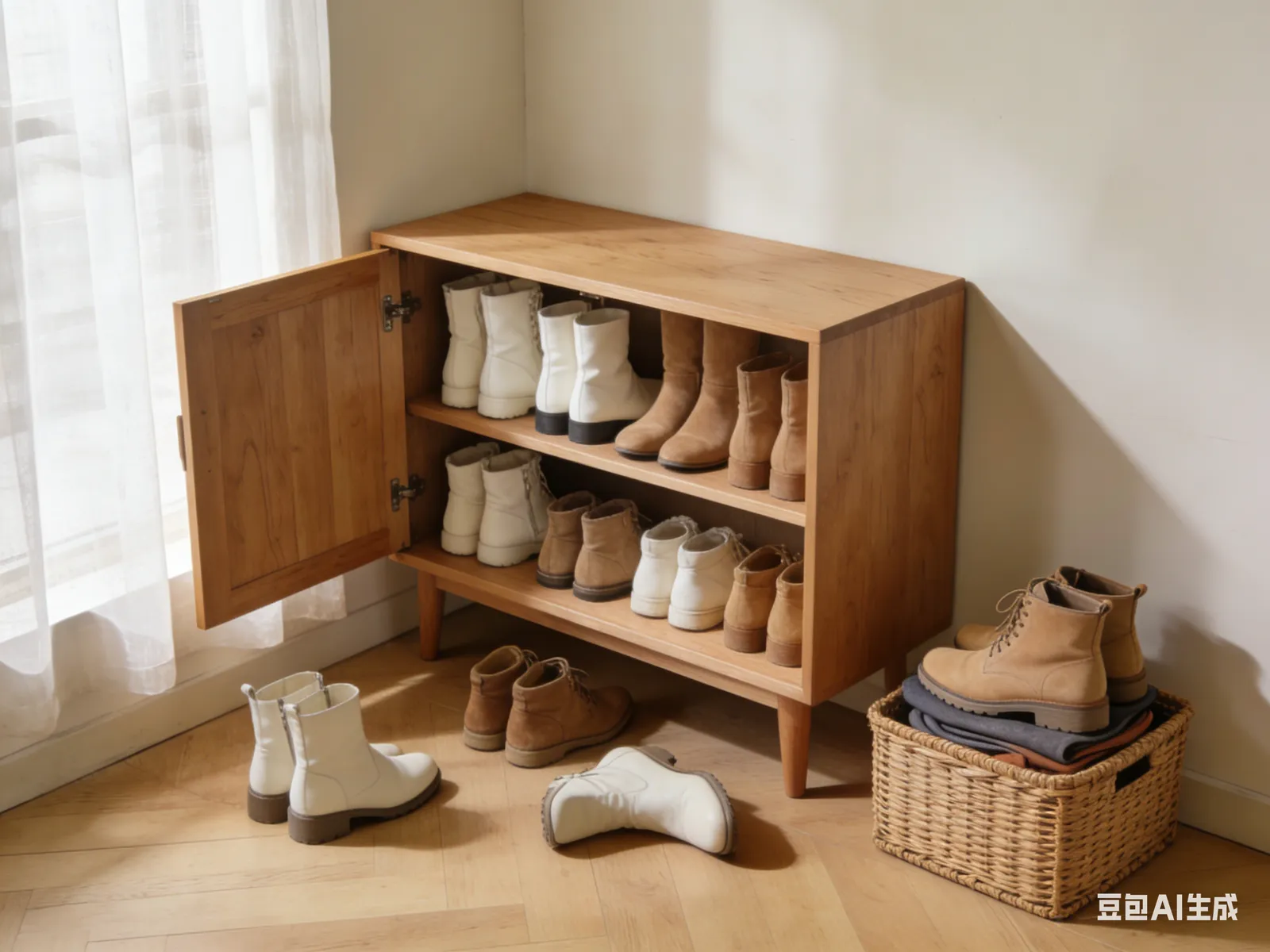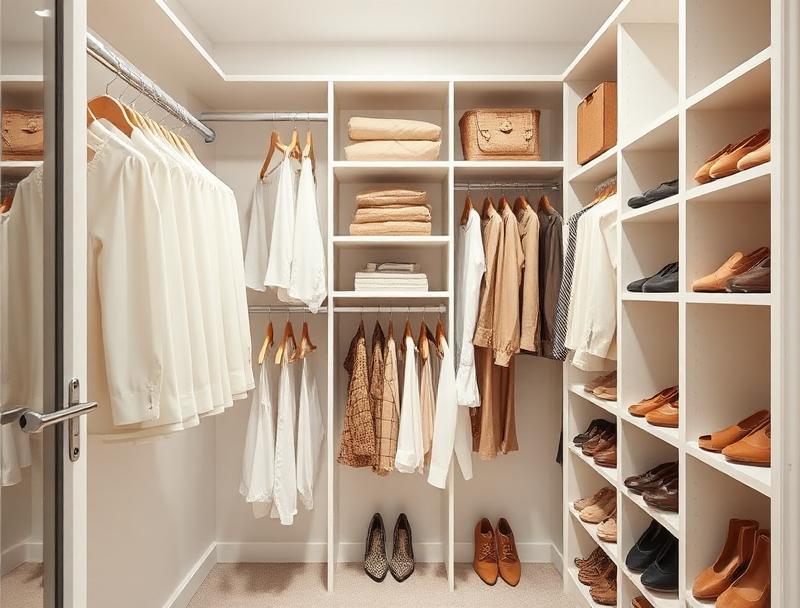
Small closets are a common challenge in apartments, but with these small apartment organization hacks for small closets, you can dramatically increase your storage capacity. The key to maximizing tiny closet space lies in thinking vertically, using every available inch, and implementing smart storage solutions that work with your apartment's existing structure.
The Soda Tab Hack: Double Hanging Space for Free
This ingenious hack transforms empty soda can tabs into space-saving closet tools. Simply hook a soda can tab over one hanger's hook, then hang another hanger from the second hole in the tab. This creates an instant double-hanging system that doesn't require purchasing additional hangers or closet organizers. The beauty of this hack lies in its simplicity and zero cost – you're repurposing something that would otherwise go in the trash.
To implement this hack effectively, choose sturdy soda can tabs from larger beverage cans for better durability. When hanging items on the lower hanger, be mindful of the weight distribution to prevent the tab from bending or breaking. This method works best for lighter clothing items like shirts, blouses, and lightweight dresses. For heavier garments like coats or jeans, stick with a single hanger to avoid overloading the system.
Shower Hooks for Accessories: Instant Closet Organizer
Shower curtain rings offer one of the most versatile solutions for closet accessory organization. By hanging these rings on your closet rod, you create immediate storage for scarves, belts, tank tops, and even small purses. The rings slide smoothly along the rod, making your accessories easily accessible while keeping them visible and untangled.
Choose metal shower rings with a smooth finish to prevent snagging delicate fabrics. For scarves, hang them through the ring and let the ends drape down for easy grabbing. Tank tops can be hung by their straps, while belts loop through the ring itself. This system works particularly well for frequently used items that you want to keep visible and within easy reach.
For added organization, consider grouping similar items together – all scarves on one set of rings, belts on another. This visual grouping makes it easier to find what you're looking for and creates a more organized appearance overall.
Pool Noodle Boot Shapers: Preserve Your Footwear Investment
Pool noodles serve as excellent boot shapers, helping maintain the shape of your boots while maximizing vertical storage space. Cut pool noodles to fit inside your boots' shafts, then insert them to keep the boots upright and crease-free. This hack is particularly valuable for tall boots that tend to slouch or crease when stored improperly.
When cutting pool noodles, measure the height of your tallest boots and cut accordingly. You can always trim down for shorter boots, so it's better to start with longer pieces. For additional customization, consider wrapping the noodles in fabric or plastic bags for waterproofing, especially if your closet tends to be damp or if you live in a humid climate.
This storage method not only preserves the shape of your boots but also allows you to store more pairs in the same amount of vertical space. Boots stored with pool noodle shapers take up less floor space and are easier to slide in and out of your closet.
Tension Rod Shoe Rack: Vertical Storage Revolution
Tension rods offer incredible versatility in closet organization, and when angled properly, they create an effective shoe rack system. Install tension rods at an angle in your closet, with the higher end positioned near the back of the closet space. Heels naturally hook over the rod, keeping shoes visible and off the floor while maximizing vertical storage capacity.
The angle of installation is crucial for this hack's success. A steeper angle makes it easier to hook heels but may reduce the number of shoes you can store. Experiment with different angles to find the optimal balance between accessibility and storage capacity. For flats and sneakers, consider installing a second set of rods at a lower angle.
This system works best for shoes with some structure – heels, wedges, and certain types of boots. Avoid using this method for completely flat shoes or very soft materials that might slip off the rod.
S-Hook Chain Organization: Maximize Vertical Space
Creating a vertical purse organizer using S-hooks represents a brilliant use of vertical space that often goes unused in small closets. Hang S-hooks from each other in a chain formation from your closet rod, creating multiple hanging levels. Each hook can hold a different purse, bag, or backpack, effectively tripling or quadrupling your storage capacity for accessories.
When creating this chain system, start with a sturdy S-hook attached to your closet rod, then attach additional hooks to create the chain. The number of hooks you can safely add depends on the weight of your bags and the strength of your closet rod. Heavier items like laptop bags should be positioned lower in the chain to reduce strain on the upper hooks.
This method works exceptionally well for smaller bags and purses that might otherwise get lost on shelves or in corners. The visual display makes it easy to grab the bag you need without rummaging through other items.
Ceiling-Mounted Rod: Utilize Vertical Height
If your apartment has high ceilings, a ceiling-mounted rod can dramatically increase your hanging space. This hack involves installing a second hanging rod near the ceiling, creating an additional level for out-of-season clothes, formal wear, or items you don't access frequently. This effectively doubles your hanging space without taking up any additional floor area.
For accessing items on the high rod, use a hook on a pole or a reacher tool. This makes it possible to hang and retrieve items safely without standing on chairs or ladders. Consider grouping items on the high rod by season or frequency of use – summer clothes in winter, winter clothes in summer, formal wear at the back, everyday items closer to the front.
If you can't install permanent ceiling fixtures, consider using tension-mounted systems or freestanding clothes racks positioned near your closet rod. These alternatives provide similar benefits without requiring permanent modifications to your apartment.
Additional Closet Maximization Tips
Beyond these six core hacks, several other strategies can help you get the most from your small closet space. Install adhesive hooks inside closet doors for hanging belts, scarves, or jewelry. Use the space inside closet doors by installing narrow organizers for shoes, accessories, or folded items. Consider vacuum storage bags for bulky seasonal items like winter coats or comforters, but be careful not to overpack them, as this can damage the fabric and create odd shapes that are difficult to store.
Regular organization and maintenance are crucial for keeping these systems working effectively. Take time monthly to reassess your storage needs, donate items you haven't worn in the past year, and reorganize to accommodate seasonal changes. Remember, the goal isn't just to pack more into your closet – it's to create a system that makes getting dressed easier and keeps your belongings in good condition.