A well-organized closet makes getting dressed easier and keeps your bedroom looking tidy. These small apartment closet organization ideas will help you maximize every inch of your wardrobe space while creating a system that's both functional and visually appealing.
Small apartment closets often present the biggest organizational challenge because they're expected to store everything from daily wear to seasonal items, accessories, and linens. However, with the right strategies and tools, even the tiniest closet can become an efficient storage solution that rivals much larger spaces.
Master Vertical Hanging Systems
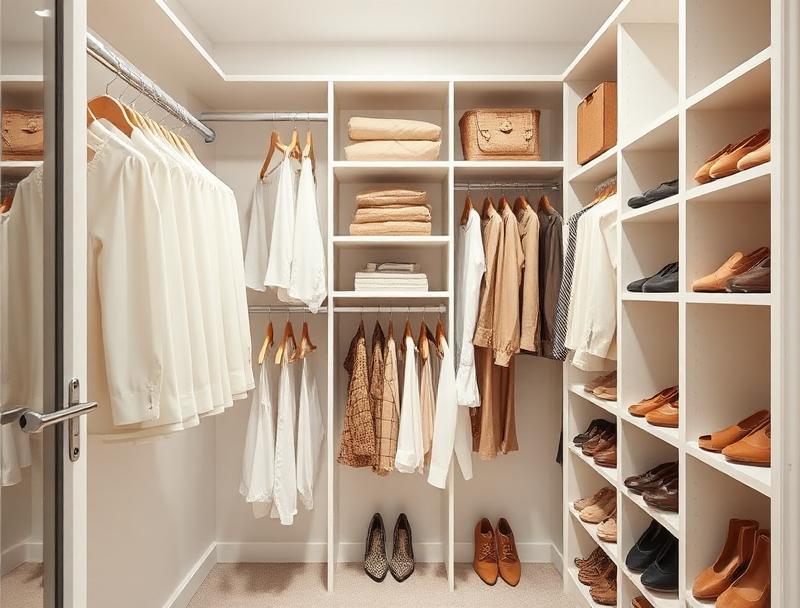
Install a second hanging rod below your existing one for shorter items like shirts, blouses, and folded pants. This simple addition can instantly double your hanging capacity without requiring any additional floor space. For closets with limited height, consider installing a double-hang system with one rod positioned higher for long garments and another positioned lower for shorter pieces.
Telescoping closet rods offer flexibility for renters or those with unusual closet dimensions. These adjustable rods can be positioned at different heights to accommodate various clothing types and can be moved or removed without permanent modifications to the closet structure.
Consider installing a pull-down hanging rod system for accessing clothes stored in high spaces. These mechanisms lower high-hanging items to a comfortable height, making use of vertical space that would otherwise be difficult to reach without a step stool.
Implement Strategic Shelf Organization
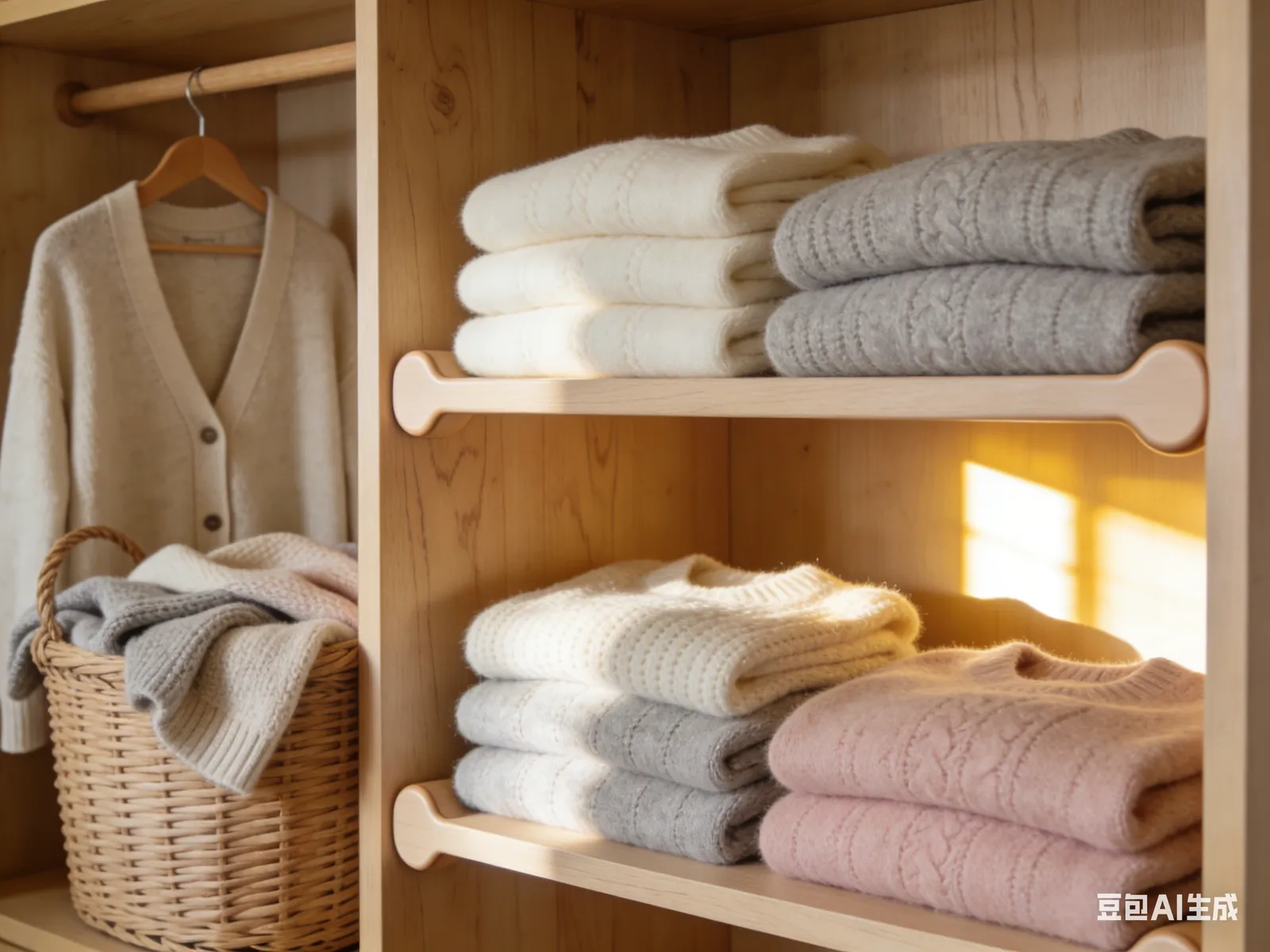
Keep stacked items from toppling over with shelf dividers, which are especially useful for sweaters, purses, and linens that tend to lean and fall when stacked. Adjustable shelf dividers allow you to customize compartment sizes based on the items you're storing, creating designated spaces for different categories of clothing and accessories.
Clear acrylic shelf dividers are ideal for small closets because they provide structure without visual weight, maintaining an open feel while maximizing functionality. These dividers work well for storing folded jeans, t-shirts, and casual wear while keeping everything neatly contained.
For deeper shelves, install pull-out shelves or sliding drawers that make items in the back easily accessible without having to remove everything in front. These systems transform deep closet spaces into usable storage areas rather than dead space where items get forgotten.
Upgrade to Slim, Uniform Hangers
Replace bulky plastic or wooden hangers with slim velvet hangers to maximize hanging space and create a cohesive, boutique-like appearance. Velvet hangers take up 75% less space than traditional hangers while preventing clothes from slipping off, making them ideal for small closets where every inch counts.
Choose hangers in consistent colors—typically neutral tones like black, white, or gray—to create visual harmony and make it easier to spot items that don't belong in your closet. This uniform approach also makes your closet appear larger and more organized at a glance.
For delicate items like silk blouses or dresses, consider investing in padded hangers that prevent stretching or distortion while taking up minimal space. These specialized hangers protect your investment pieces while maintaining the efficient use of hanging space.
Maximize Over-Door and Door Interior Space
Clear pocket shoe organizers that hang over your door can hold much more than shoes. Use the pockets for accessories, scarves, belts, small handbags, jewelry, or even toiletries if your closet is near the bathroom. This transforms an often-wasted surface into valuable storage space.
Over-door organizers with varying pocket sizes accommodate different types of items. Small pockets work perfectly for jewelry and accessories, while larger pockets can store folded clothes, bags, or shoes. Choose organizers with reinforced backing to prevent sagging under the weight of stored items.
For doors with more clearance, consider installing over-door hanging systems with hooks or bars that can hold robes, coats, or frequently worn accessories. These systems keep daily essentials visible and accessible while freeing up hanging space inside the closet for less frequently worn items.
Create Efficient Drawer and Basket Systems
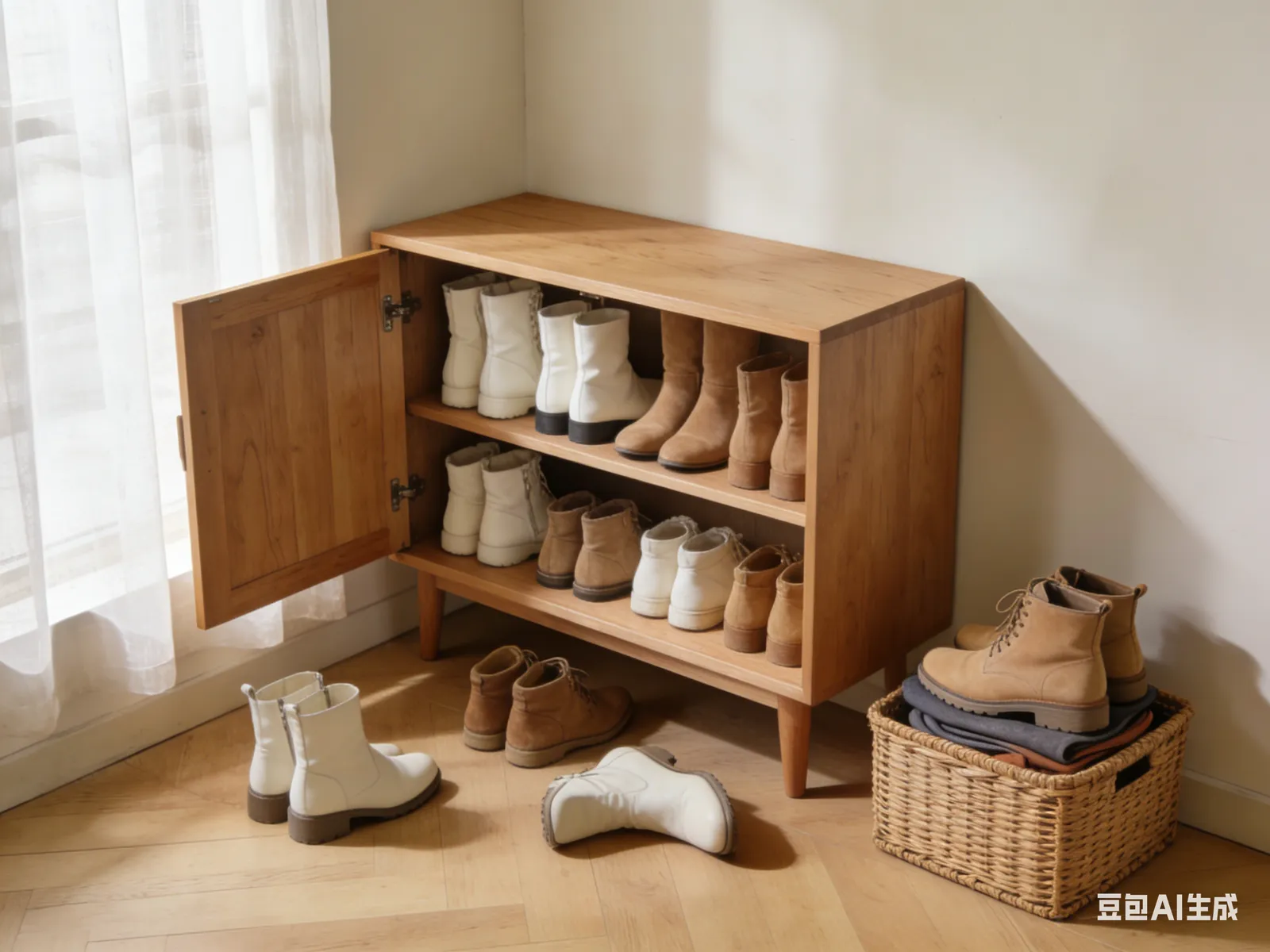
If your closet has empty floor space, add a small drawer unit or stacking baskets to create storage for folded items, underwear, accessories, or seasonal clothing. Choose drawers or baskets that complement your closet's dimensions and style for a cohesive look.
Fabric-lined baskets add texture and warmth to your closet while protecting delicate items. Look for baskets with handles for easy removal and cleaning, and consider nesting sets that can be stored inside each other when not in use.
Drawer organizers with adjustable compartments help maintain order within drawers, preventing small items from becoming scattered and difficult to find. These systems are particularly valuable for storing accessories like ties, belts, and small handbags.
Implement Smart Seasonal Rotation
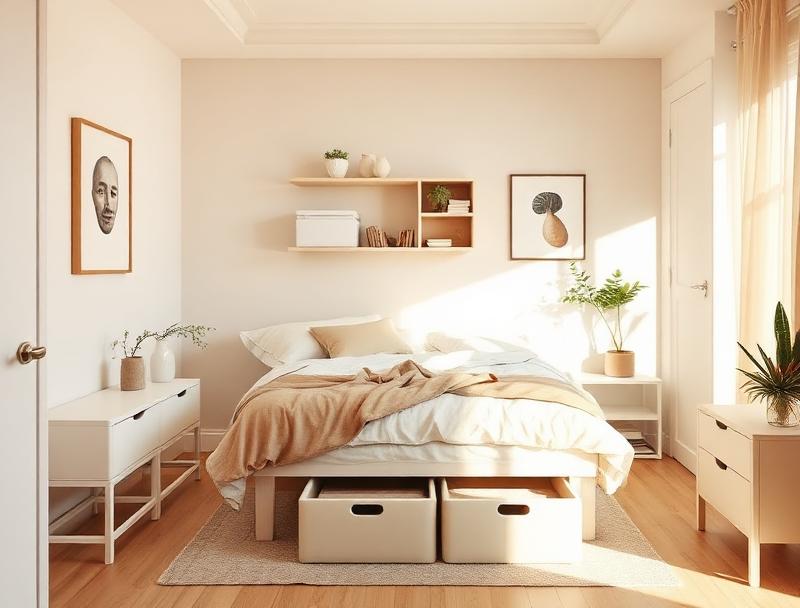
Store out-of-season clothes in vacuum bags under the bed or in high storage areas to keep your closet focused on items you're actually wearing now. This seasonal rotation system prevents your active wardrobe from being crowded out by items you won't need for months.
Vacuum-sealed storage bags reduce the volume of bulky items like winter coats, comforters, and sweaters by up to 75%, allowing you to store more in less space. Choose clear bags so you can easily identify contents without opening them, and include inventory lists for items stored for extended periods.
For items that need to remain in your closet year-round but are seasonal, use the upper shelves or less accessible areas of your closet. Store winter items in summer and summer items in winter, rotating them seasonally to maintain an organized, relevant wardrobe.
Optimize Closet Lighting and Visibility
Good lighting is essential for maintaining an organized closet and making getting dressed easier. Install LED strip lights or battery-operated closet lights to illuminate dark corners and make it easier to see all your clothing options clearly.
Motion-sensor lights are particularly convenient for small closets because they automatically illuminate when you open the door, eliminating the need to fumble for switches while carrying clothes or accessories. These energy-efficient lights can be installed without electrical work using adhesive backing or small screws.
Consider using light-colored closet organizers and accessories to reflect light and make your space appear larger and brighter. White or cream-colored shelving and bins create the illusion of more space while providing a clean, organized backdrop for your clothing.
Create Category-Based Organization Systems
Organize your closet by category to make getting dressed more efficient and to maintain order over time. Group similar items together—work clothes, casual wear, formal attire, and active wear—so you can easily find what you need for specific occasions.
Within each category, organize by color or frequency of use. Color coordination helps create a visually appealing closet while making it easier to identify items quickly. Arrange clothes by frequency of wear, placing everyday items at eye level and special occasion pieces higher up or in less accessible areas.
Use consistent labeling systems throughout your closet to help family members or roommates understand where items belong. This prevents the gradual disorganization that occurs when items are put back in the wrong places.
Maintain Your System Through Daily Habits
Small apartment closet organization requires consistent maintenance to remain effective. Develop the habit of putting clothes back in their designated places immediately after wearing them. This prevents the accumulation of clothes on chairs, beds, or floors that quickly leads to clutter.
Conduct regular closet audits every few months to remove items you no longer wear or that no longer fit. Use the "one in, one out" rule for new purchases to prevent overcrowding. Consider creating a donation box in your closet where you can immediately place items that no longer serve you.
Schedule seasonal organization sessions to rotate clothes and reorganize your closet according to current needs. These sessions help maintain your organization system while ensuring your closet reflects your current lifestyle and wardrobe preferences.