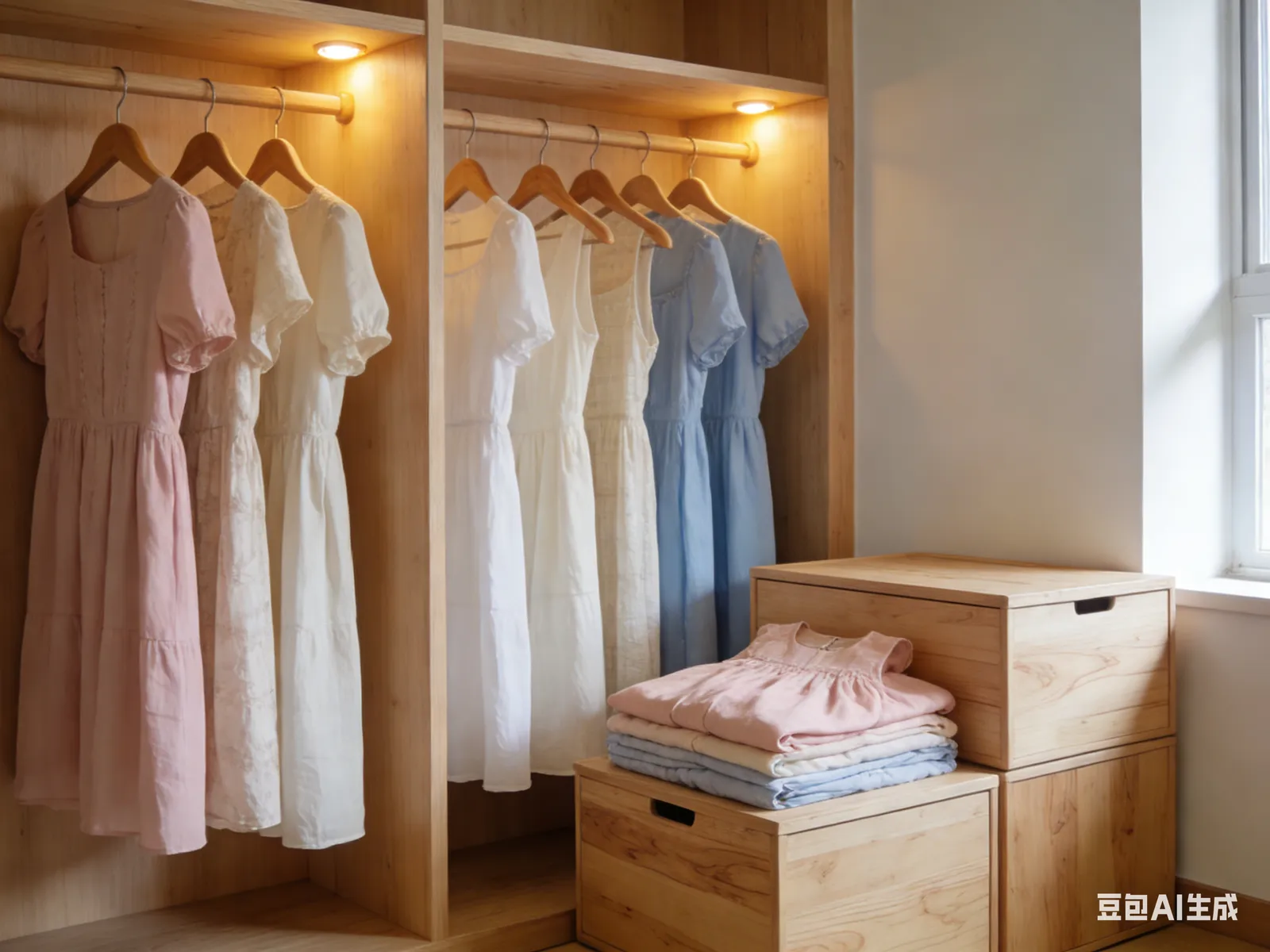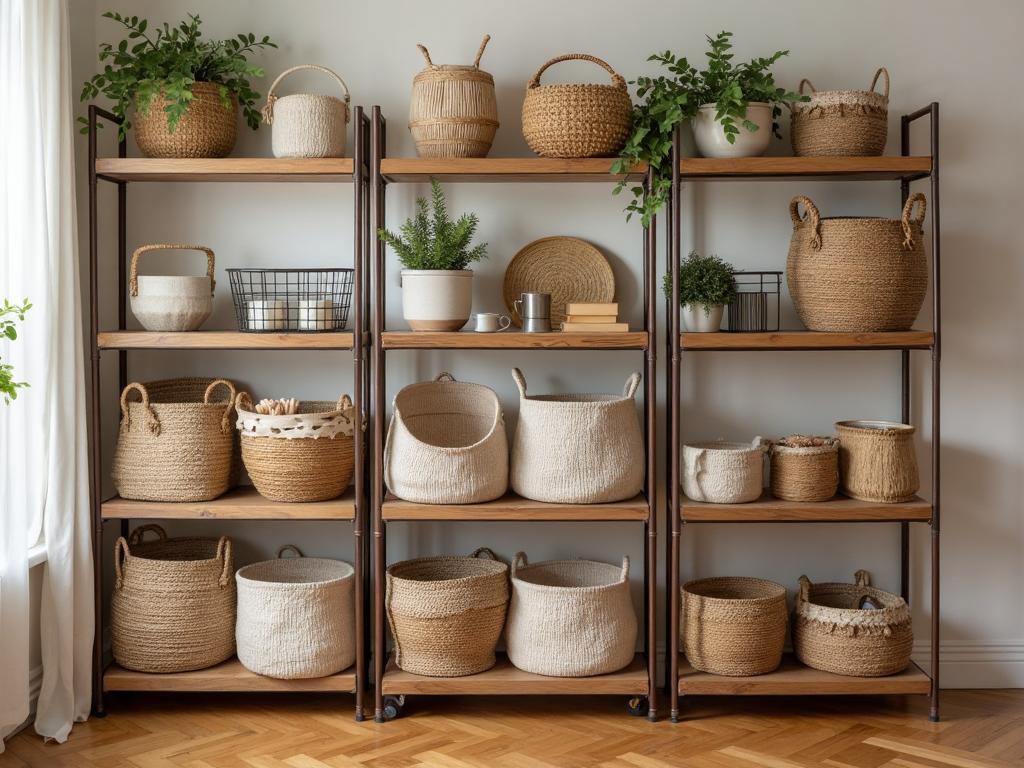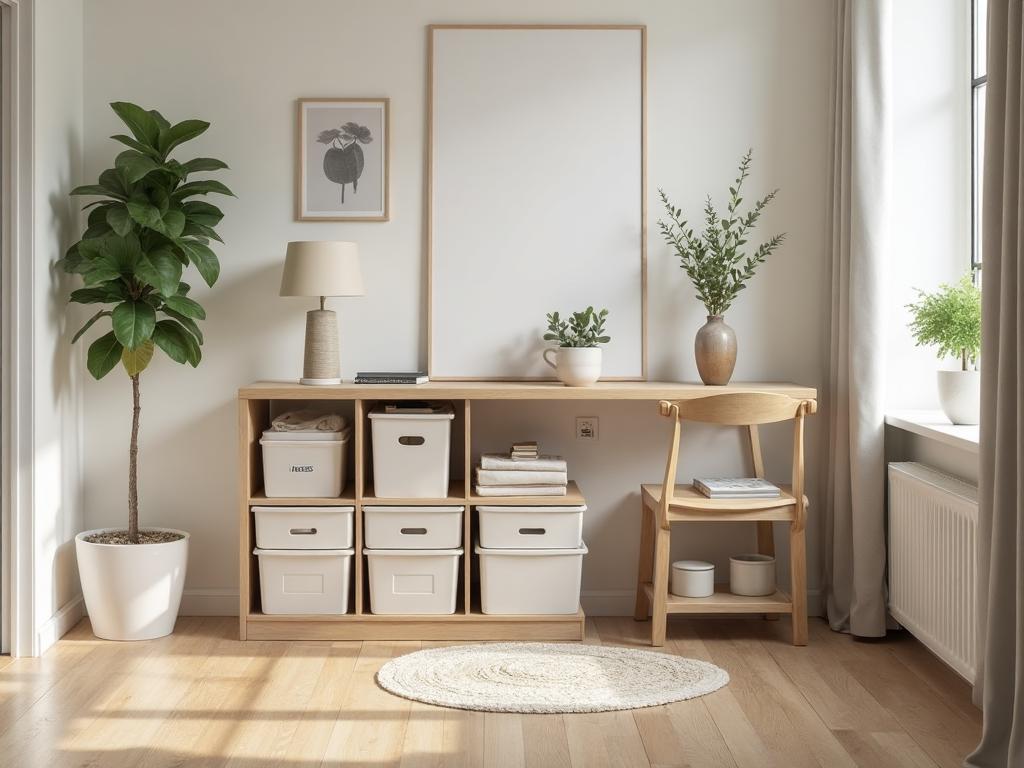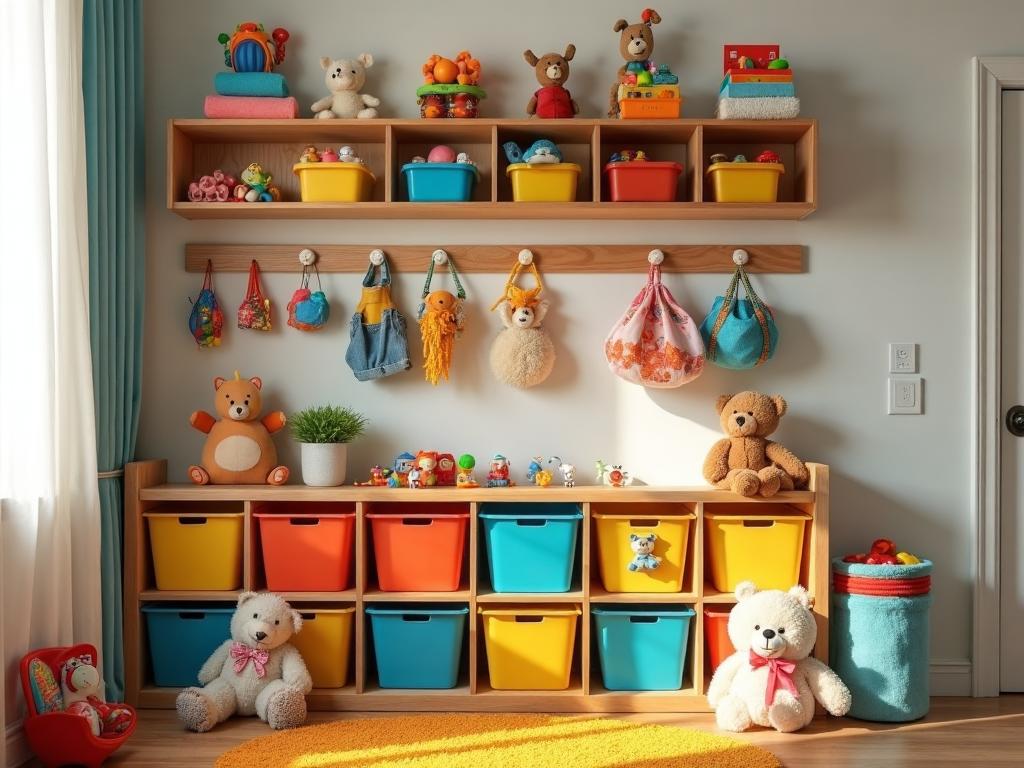
Living with kids in a small apartment means toys can quickly take over every available space. These small apartment organization hacks for toys help contain the chaos while keeping playtime fun and accessible, transforming your living space from a toy minefield into an organized, kid-friendly environment that works for the whole family.
Toy Rotation System: Declutter Through Strategic Storage
The toy rotation system represents one of the most effective strategies for managing toy clutter in small spaces while maintaining children's engagement with their belongings. This method involves storing approximately half of your children's toys in labeled bins or boxes out of sight, then rotating the available toys monthly or seasonally. The key to success lies in creating anticipation and excitement about "new" toys while significantly reducing the amount of visible clutter at any given time.
Implement this system by dividing toys into categories based on age appropriateness, type of play, and frequency of use. Store the "off-season" toys in under-bed containers, high closet shelves, or dedicated storage areas. When rotating toys, involve your children in the process – let them help choose which toys to rotate out and which to bring back. This involvement teaches organization skills while making the process collaborative rather than a chore.
Consider using clear storage containers with labels and pictures for easy identification. For younger children, include photos of the toys on the container labels to help them understand what belongs where. For seasonal rotation, store summer toys like water guns and beach buckets during winter months, and vice versa. This system works particularly well for holiday-specific toys that only come out during certain seasons.
Mesh Laundry Bag Bath Toy Storage: Mold Prevention Made Easy
Bath toys present unique challenges in small apartments due to moisture, mold concerns, and the need for quick cleanup after bath time. Mesh laundry bags with suction cup hooks provide an elegant solution that addresses all these concerns while keeping bath toys organized and easily accessible. The breathable mesh material allows toys to drain and dry properly, preventing the mold and mildew issues that plague sealed containers.
Install a strong suction cup hook in an easily accessible location near the bathtub, ensuring it's positioned where it won't interfere with other bath activities. Fill the mesh bag with bath toys like rubber ducks, floating ships, and water-squirting toys. The bag keeps all toys contained while allowing water to drain away completely, eliminating the standing water that promotes bacterial growth.
For deeper cleaning, simply remove the entire mesh bag and toss it in the washing machine monthly. The mesh construction allows thorough cleaning that sealed containers can't provide. This system works equally well for beach toys after a day at the shore, ensuring sandy items don't scatter throughout your apartment.
Shoe Organizer for Small Toys: Clear Pocket Magic
Clear over-door shoe organizers transform into highly efficient toy storage systems that make everything visible and accessible while maximizing vertical space in your apartment. These organizers work exceptionally well for small toys, action figures, art supplies, and game pieces that would otherwise get lost in larger containers or scattered across floors and surfaces.
Choose organizers with pockets large enough to accommodate your children's specific toys. For action figures and small dolls, standard shoe organizer pockets work perfectly. For larger items like building blocks or art supplies, look for organizers with bigger pockets or consider cutting down larger organizers to fit your needs. Mount the organizer on the back of a bedroom door, in a closet, or on a wall in the play area.
Label each pocket with pictures and words to help children understand where items belong. This visual system encourages independence and makes cleanup more efficient since children can easily see where each toy type lives. The clear pockets allow kids to find specific toys without rummaging through everything, reducing the frustration that often leads to dumping entire containers of toys.
Magnetic Strips for Metal Toys: Wall-Mounted Organization
Magnetic strips mounted on walls create a unique storage solution that transforms toy storage into interactive wall art, particularly effective for toy cars, building magnets, and metal action figures. This system works by turning your wall space into vertical storage while making the toys part of the room's decorative elements, effectively solving storage challenges while enhancing the play experience.
Install strong magnetic strips at child-appropriate heights, considering both accessibility and safety. For younger children, mount strips lower on the wall where they can easily reach and interact with the toys. Position them in play areas rather than high-traffic zones to prevent accidental bumps. Choose magnetic strips designed for heavy-duty use, as some toy cars and building sets can be surprisingly heavy when accumulated in groups.
This storage method works best for toys that children enjoy arranging and displaying. The wall-mounted approach allows for creative organization – cars can be lined up like a parking lot, building magnets can create dynamic displays, and action figures can be positioned in action poses. The visual display makes it easy for children to see their entire collection and choose specific toys without dumping everything out.
Ottoman Toy Box: Dual-Purpose Seating Storage
A storage ottoman in your living room serves multiple functions that make it invaluable in small apartment settings – seating for guests, footrest for relaxation, and hidden storage for toys that need to disappear quickly when adults are over or when living spaces need to transition from play area to adult entertaining space. The key is choosing an ottoman that's large enough to hold a substantial amount of toys while being comfortable as seating.
Look for ottomans with easy-to-open lids and substantial interior storage space. The interior should be large enough to hold bulkier items like stuffed animals, board games, and larger toys that don't fit in smaller containers. Consider ottomans with divided interiors or removable organizers that help keep different types of toys separated, making it easier for children to find specific items without digging through everything.
Position the ottoman strategically in your living room so it serves as both functional seating and efficient toy storage. Choose fabric or leather upholstery that can withstand regular cleaning, as toys will inevitably leave marks or residue over time. The dual-purpose nature of this furniture piece makes it perfect for small apartments where every piece of furniture must earn its space through multiple functions.
Label Everything: Visual Organization for Independence
Implementing comprehensive labeling throughout your toy organization system creates a framework for independence that benefits both children and parents. Picture labels on storage containers help children understand where toys belong, while word labels support developing reading skills. This visual system reduces the "I don't know where it goes" excuse and makes cleanup more intuitive for children of all ages.
Create labels that combine photos of the actual toys with simple words for emerging readers. For younger children, focus primarily on pictures with just a few simple words. As children develop reading skills, gradually increase the text-to-picture ratio on labels. Use consistent labeling across all storage containers – if you use blue labels for cars, use blue for all car-related items throughout the apartment.
Consider involving children in creating labels to increase their investment in the organization system. Let them help take photos of their toys for labels, or have them choose stickers that represent different toy categories. This involvement creates ownership and pride in maintaining the organized system, making cleanup a collaborative rather than authoritarian activity.
Advanced Toy Management Strategies
Beyond these core organizational hacks, several additional strategies can help maintain toy sanity in small apartment living. Implement a "one toy in, one toy out" policy for birthdays and holidays to prevent overflow. Create designated zones for different types of play – a reading corner, a building zone, and a creative area – to help children understand where specific activities happen. Consider rotating not just which toys are available, but also which areas of the apartment are designated for play.
Remember that successful toy organization in small spaces requires regular maintenance and adjustment as children grow and their interests change. What works for a three-year-old may not work for a seven-year-old, so be prepared to adapt your organization strategies as your family evolves. The goal isn't perfection – it's creating a system that works for your family's specific needs while maintaining a living space that's comfortable for everyone.