Paper is the clutter that sneaks up on you. Unlike furniture or clothing, it arrives daily, weighs nothing, and accumulates on every flat surface until the kitchen counter becomes a filing system. These small apartment paperwork organization hacks keep documents and mail under control in a home with no office and no room for a filing cabinet.
The key insight is that most paper in a small apartment does not need to be stored at all — it needs to be processed and discarded. Once you separate the small number of documents that genuinely must be kept from the flood that does not, paperwork stops being a storage problem and becomes a five-minute weekly habit.
Intercept Mail Before It Reaches a Surface
Paper clutter almost always starts the same way: mail comes in and lands on the nearest flat surface. Breaking that habit at the door is the highest-impact change you can make.
Mount a wall pocket, small basket, or slim tray right by the entrance and put every piece of incoming mail directly into it. Nothing touches the counter or table. In a small apartment where the counter is also your prep space and desk, this single rule protects the surface you actually need.
Better still, sort mail standing at the door: junk goes straight into a recycling bin placed nearby, and only the items requiring action go into the pocket. Handling it at the point of entry prevents the pile from ever forming.
Use a Three-Category Sort Instead of Complex Filing
Elaborate filing systems fail in small apartments because they require space and effort that never materializes. A three-category sort is simple enough to actually maintain.
Sort every piece of paper into Action, Keep, or Recycle. Action means it needs something from you — a payment, a reply, a signature. Keep means it must be retained for records. Recycle is everything else, which is the large majority. Three labeled folders or trays handle your entire paper flow.
Because the categories are based on what you will do rather than what the document is about, you never hesitate over where something goes. That lack of friction is what makes the system survive past the first week.
Keep an Action File in Plain Sight
Papers requiring action are the ones with consequences — bills, forms, deadlines — so they should be visible, not filed away where you will forget them.
Keep a single small folder, clipboard, or wall pocket for action items somewhere you pass daily. In a small apartment, visibility substitutes for the reminder systems a dedicated office would provide. If it is out of sight, it will be out of mind until it is late.
Process the action file on a fixed day each week. A consistent slot means bills get paid, forms get returned, and the folder empties regularly instead of quietly becoming another pile.
Digitize Almost Everything
The most powerful paperwork hack for a small apartment is simply owning less paper. Your phone is a document scanner, and a scanned copy takes zero physical space.
Photograph or scan receipts, statements, manuals, warranties, and reference documents, then recycle the originals. Store the files in clearly named folders in cloud storage so they are searchable from anywhere — far more useful than a paper file you have to dig through.
Switch to paperless billing and electronic statements wherever it is offered. This cuts incoming mail volume dramatically, which addresses the problem at the source rather than managing the symptoms. Less arriving means less to sort, store, and shred.
Store Vital Documents in One Small Portable Case
A short list of documents genuinely must exist on paper: passports, birth certificates, social security cards, leases, titles, and immigration or legal papers. These deserve real protection but take up very little room.
Keep them together in a single small document case, ideally fireproof and water-resistant. One case in a closet or under a bed replaces an entire filing cabinet, because the truly irreplaceable documents in most households fit in a space the size of a laptop.
A portable case has a second advantage in an apartment: in an emergency you can grab your entire vital-document archive with one hand. Keep scanned backups in the cloud as well so a lost original is an inconvenience rather than a crisis.
Use Vertical Storage for Active Files
Paper stored in horizontal piles becomes invisible and unmanageable. Standing it upright makes every item visible and takes far less surface area.
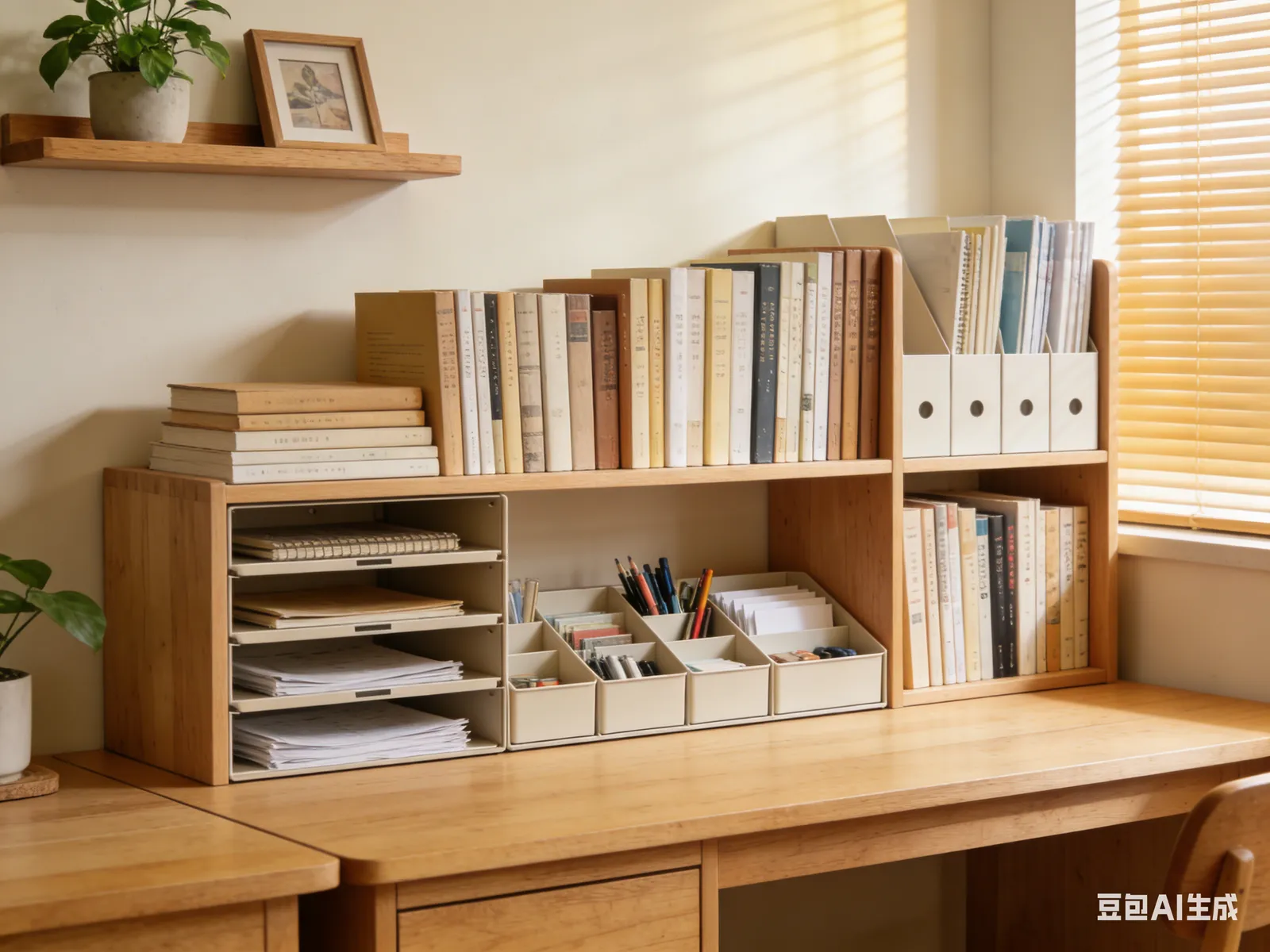
Use a slim vertical file holder, magazine file, or hanging wall rack for the documents you reference occasionally. Mounted on a wall or standing on a shelf, it stores dozens of pages in a footprint of a couple of inches, which is exactly the kind of trade a small apartment needs.
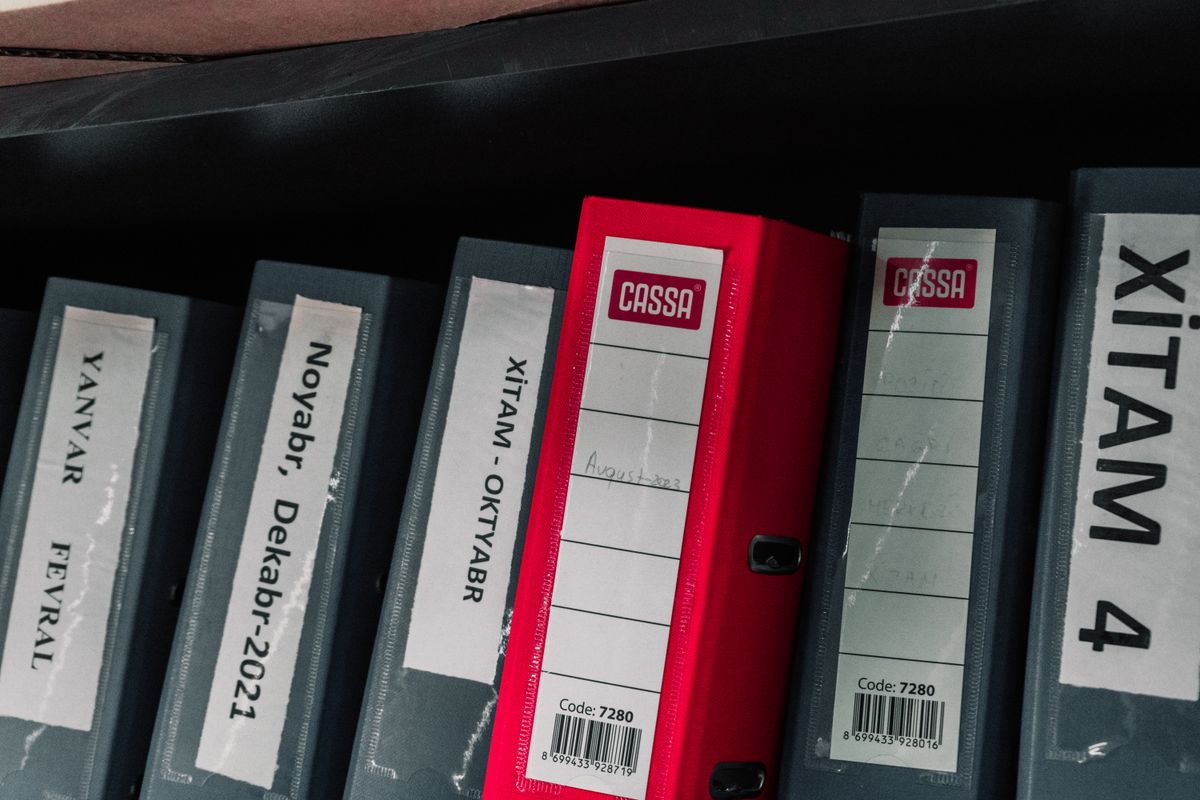
Label the front of each divider or folder so you can find things at a glance. Because the whole system is upright and visible, nothing sinks to the bottom of a stack and gets forgotten.
Set Retention Rules and Shred on a Schedule
Much of the paper people store is kept out of vague anxiety rather than any real requirement. Clear retention rules let you discard confidently.
As general guidance, most utility bills and routine statements can go once they are reconciled, tax-related records are typically kept for several years, and documents like deeds and titles are kept permanently. Check the specific requirements that apply to your situation, then write your rules down so you are not re-deciding every time.
Shred anything with account numbers or personal details rather than simply recycling it. Keep a small shredder or a bag for shredding and process it monthly, which prevents a growing stack of sensitive paper waiting for a decision.
Handle Manuals, Receipts, and Warranties Digitally
Appliance manuals and warranty paperwork occupy an absurd amount of space relative to how often they are used, and virtually all of it is available online.
Recycle printed manuals and bookmark the manufacturer's PDF instead. For warranties, photograph the receipt and the warranty card, store them in a single cloud folder named by item, and discard the paper. When something breaks, a searchable digital folder is far faster than hunting through a drawer.
For receipts you may need for returns, keep them in one small envelope and clear it out monthly once the return windows have passed. This contains a notoriously scattered category into a single tiny, self-clearing container.
Do a Weekly Ten-Minute Paper Reset
Paper systems fail through neglect rather than bad design. A brief, fixed weekly session is what keeps a small apartment paper-free.
Once a week, empty the mail pocket, process the action file, scan anything worth keeping, shred the sensitive discards, and recycle the rest. Ten minutes is genuinely enough when the volume is one week's worth rather than three months'.
With mail intercepted at the door, a simple three-way sort, aggressive digitizing, and one small case for vital documents, paperwork stops competing for the limited surfaces and storage in a small apartment — and the counter stays clear for what it is actually for.