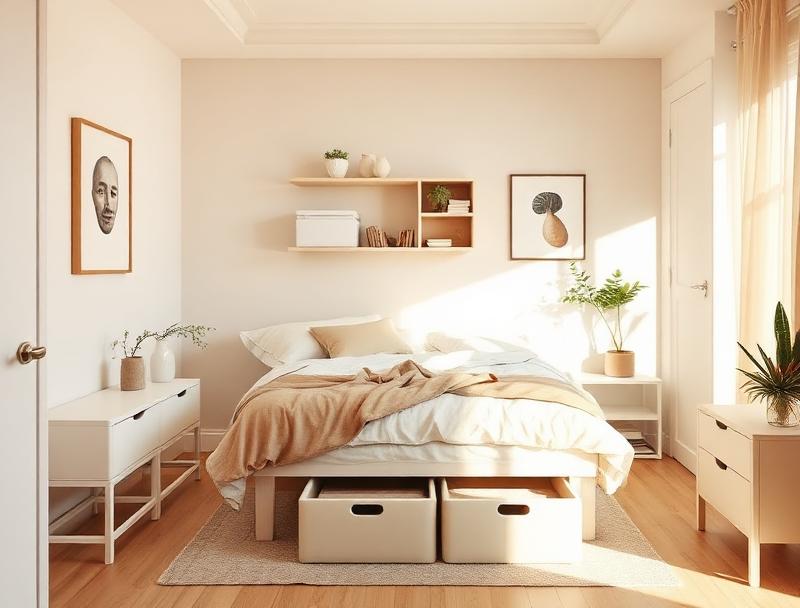
In a small apartment, the largest single block of unused storage is usually hiding in plain sight: the floor under your bed. A standard bed covers around 25 square feet, and most of the volume beneath it sits completely empty. These small apartment under-bed storage ideas turn that dead space into a hardworking, hidden storage zone.
Under-bed storage is especially valuable because it is invisible. Anything you tuck there disappears from view, which keeps a small room feeling calm and open rather than crowded with bins and boxes. The trick is doing it in a way that stays accessible, dust-free, and easy to maintain instead of becoming a forgotten junk drawer the size of a mattress.
Measure Your Clearance Before Buying Anything
The most common under-bed storage mistake is buying containers that do not fit. Before you shop, measure the clearance from the floor to the underside of the bed frame, and note whether a center support bar divides the space into sections.
Standard bed frames offer anywhere from 5 to 15 inches of clearance, and that number determines everything. A 6-inch gap needs slim, wheeled trays; a 12-inch gap can take tall drawers. Write the height, and the depth from the edge to any center support, in your phone before buying so you never bring home a bin that is an inch too tall.
If your current clearance is too low to be useful, bed risers are an inexpensive fix. A set of 3 to 8 inch risers can nearly double the usable volume under the bed and instantly upgrade a frame that had almost no room beneath it.
Choose Containers Built for Under-Bed Use
Not all bins work under a bed. The best under-bed containers are long, shallow, and low, designed specifically to slide into that horizontal slot rather than stand upright.
Look for containers with wheels or casters. The single biggest complaint about under-bed storage is that reaching the far side means crawling on the floor — wheels eliminate that by letting you roll the whole bin out with one hand. Low-profile plastic drawers on casters are ideal because they open without being fully removed.
Choose containers with lids to keep out the dust that inevitably gathers under a bed. Clear lids let you identify contents at a glance, while a simple label solves the same problem for opaque bins. Avoid open baskets under a bed unless you enjoy dusting their contents constantly.
Store Off-Season Clothing to Free Up Your Closet
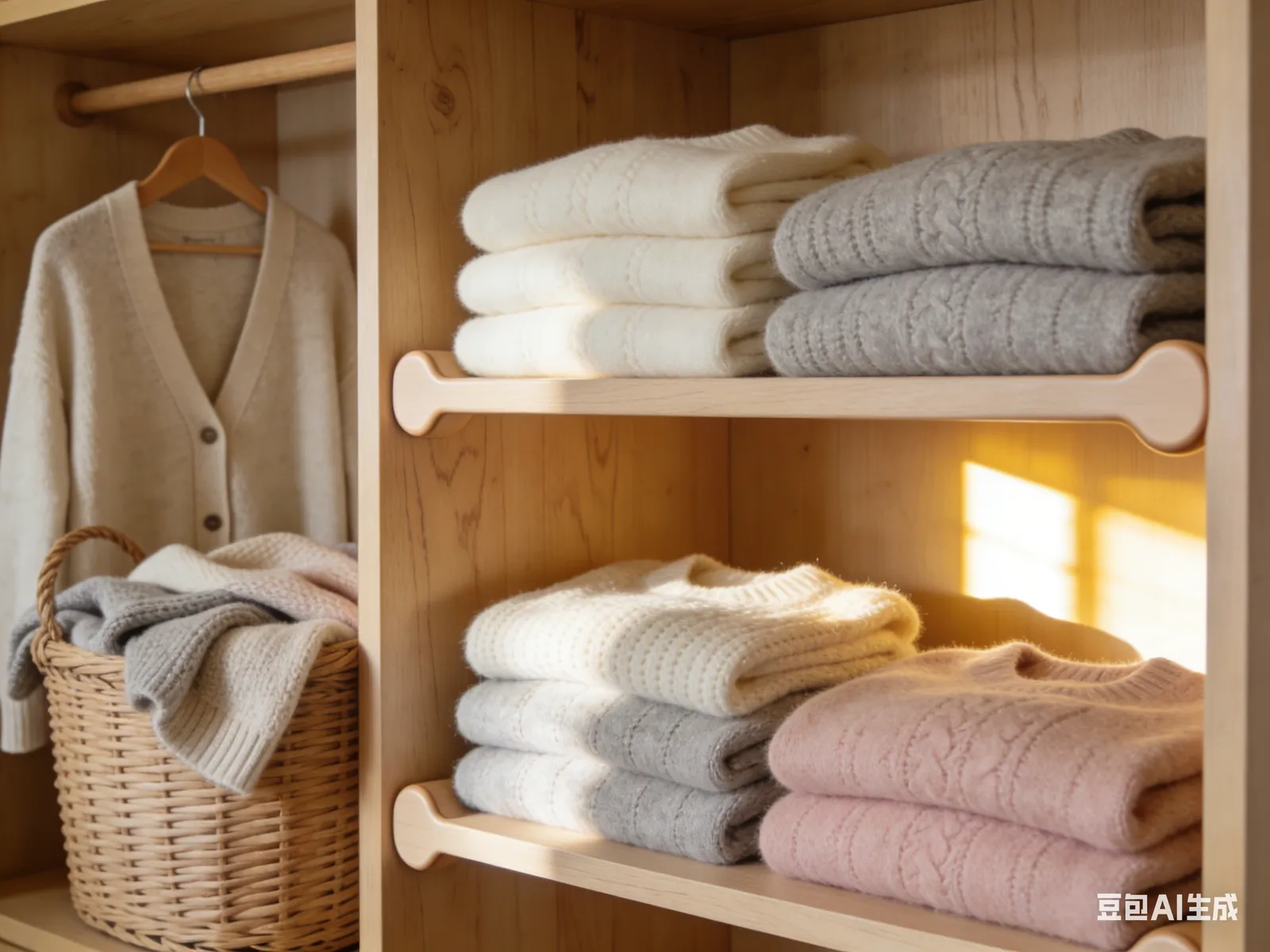
The highest-value use of under-bed space in a small apartment is off-season clothing. Your closet is almost certainly your tightest storage, and moving out-of-season items frees it dramatically.
In summer, store sweaters, coats, and heavy layers under the bed; in winter, swap them for shorts, swimwear, and light clothing. This seasonal rotation means your closet only ever holds what you can actually wear right now, which makes getting dressed faster and the closet far less crowded.
For bulky items like duvets and winter coats, vacuum-compression bags are transformative. They shrink a puffy comforter to a fraction of its size, letting a single under-bed bin hold what would otherwise fill an entire shelf. Just be sure the compressed bag still fits within your measured clearance.
Create a Shoe Drawer Under the Bed
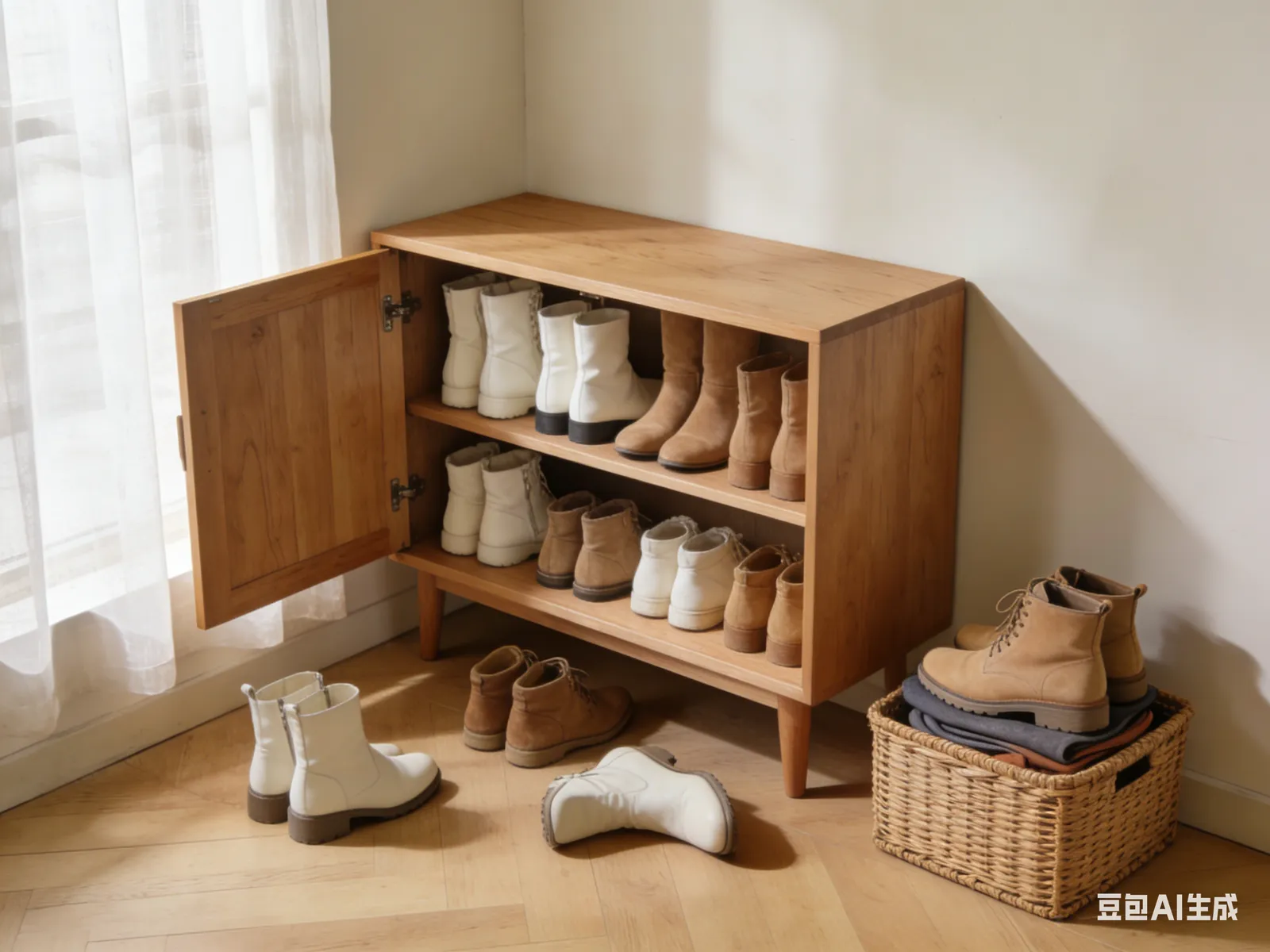
Shoes eat up entryway and closet floor space fast, and the under-bed zone is a natural overflow. A dedicated under-bed shoe organizer with individual compartments keeps pairs together and protected.
Store the shoes you wear occasionally rather than daily here — dress shoes, seasonal boots, and specialty footwear that does not need to live by the door. Keeping daily sneakers at the entryway and everything else under the bed strikes the right balance between access and space savings.
Clear-topped shoe organizers let you find the right pair without pulling everything out. For boots, look for tall compartments or lay them flat in a longer bin so they keep their shape instead of flopping over and creasing.
Use the Space for Bulky and Occasional Items
Beyond clothing and shoes, under-bed storage is perfect for the bulky, infrequently used items that have no obvious home in a small apartment. These are exactly the things that create clutter when left out.
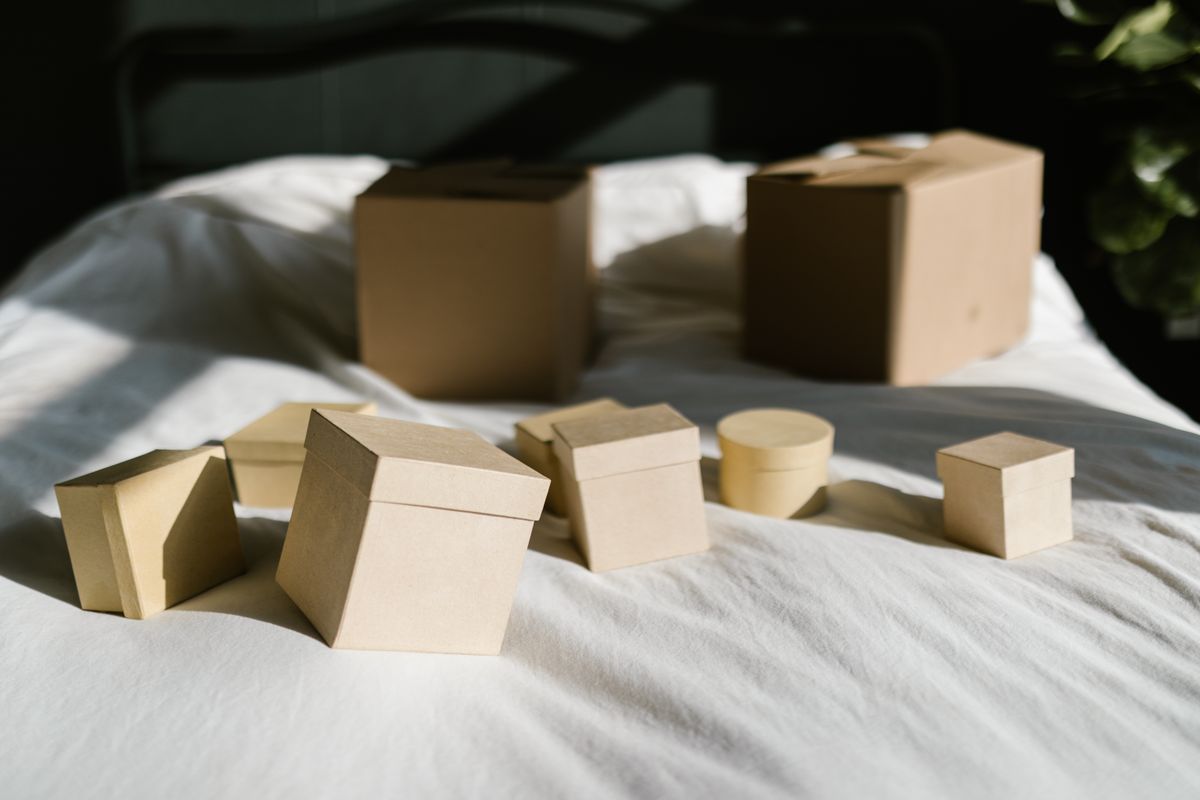
Extra bedding, spare pillows, luggage, seasonal decorations, and keepsake boxes all belong here. Suitcases are a clever double-duty option: store them under the bed and fill them with off-season items, so the luggage itself becomes a container rather than empty wasted volume.
Group these occasional items by category in labeled bins so that when you need the holiday decorations or the spare set of sheets, you pull one specific bin instead of rummaging through everything under the bed.
Consider a Storage Bed for Maximum Capacity
If you are buying a bed or willing to upgrade, a storage bed frame turns the under-bed zone into built-in furniture. These frames come with integrated drawers or a lift-up platform that reveals a deep hidden compartment.
Drawer-style storage beds work well when there is floor space beside the bed for the drawers to extend. Lift-up ottoman beds are better for very tight rooms because they open upward, requiring no side clearance at all, and they offer the single largest hidden storage cavity available in a bedroom.
A storage bed costs more than a set of bins, but in a small apartment where every square foot counts, converting the entire bed footprint into sealed, dust-free, purpose-built storage is often the best investment you can make in the room.
Keep It Accessible with a Simple Layout
Under-bed storage fails when it becomes a place things go to be forgotten. A little planning keeps it functional rather than a black hole.
Store the items you reach for most often near the edges of the bed where they are easy to grab, and push truly long-term storage toward the center. If you use bins on both sides of a center support bar, dedicate each side to a clear purpose — one side clothing, the other bedding and luggage — so you always know which way to reach.
Label the end of each bin that faces outward. Since that is the only part you see when the bin is stored, front-facing labels let you identify everything without pulling a single container out.
Manage Dust and Airflow
The one real downside of under-bed storage is dust, and a little prevention keeps your stored items clean. Lidded containers are the first line of defense, but a few extra habits help.
Add a scented sachet or a cedar block to bins holding clothing to keep contents smelling fresh in a low-airflow space. For long-term fabric storage, avoid sealing items away damp, and choose breathable fabric bins over plastic if humidity is a concern in your apartment.
Sweep or vacuum under the bed whenever you rotate items, which is easy to do while the bins are already out. A quick clean two or three times a year keeps the whole zone hygienic and stops dust from working its way into your stored belongings.
Maintain the System Seasonally
Under-bed storage works best on a seasonal rhythm rather than constant fiddling. Twice a year is usually all the maintenance it needs.
When the seasons change, pull the bins, swap in the clothing you will now be wearing, and take the opportunity to declutter anything you did not touch all season. Items that stayed buried and unused for six months are strong candidates for donation, which keeps the under-bed zone from silently filling with things you no longer need.
With measured clearance, the right wheeled containers, and a simple seasonal reset, the space under your bed becomes one of the most valuable and invisible storage assets in your entire small apartment.