In a small apartment, floor space runs out long before wall space does. Most rooms have several feet of empty vertical height above eye level that contributes nothing to storage. These small apartment vertical storage ideas show you how to claim that height and dramatically increase capacity without shrinking your usable floor.
Thinking vertically is the single biggest mindset shift for small-space living. Instead of asking "where can I put another cabinet," you start asking "what can go on this wall, above this door, or up to the ceiling." Done well, vertical storage not only adds room for your belongings but also draws the eye upward, which actually makes a small apartment feel taller and more open.
Install Floating Shelves Above Eye Level
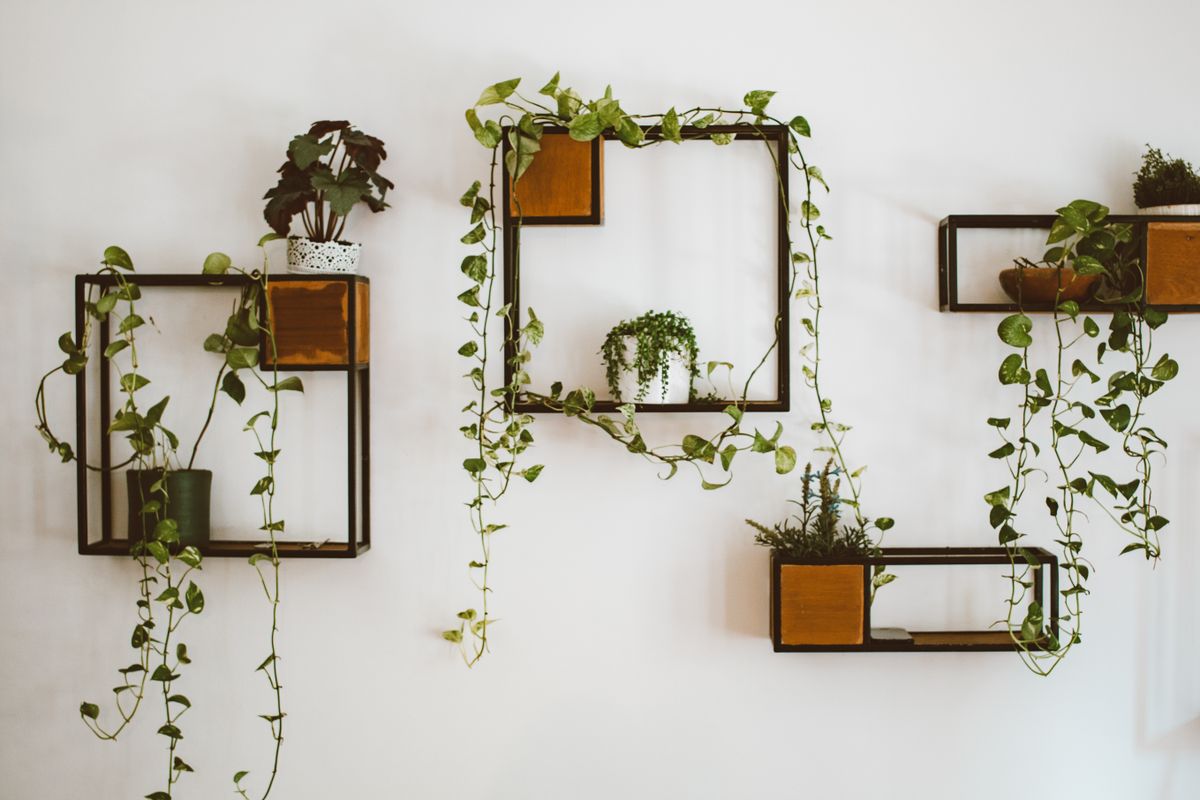
Floating shelves are the workhorse of vertical storage because they add surface area exactly where none existed — on an empty wall, above furniture, above doorways, and in unused corners. They require minimal depth, so they add storage without intruding on the room.
Mount shelves above desks, sofas, and beds to hold books, plants, and everyday items that would otherwise clutter limited surfaces. Stack two or three shelves up a single stretch of wall to build a vertical column of storage in the footprint of nothing at all. Keep heavier items on lower shelves and lighter, decorative pieces up high for both safety and visual balance.
For renters who cannot drill, sturdy adhesive-mounted shelves handle light loads like paperbacks and small decor. Clean the wall with rubbing alcohol before mounting, respect the weight limit, and you get vertical storage with zero damage to the wall.
Use Tall, Narrow Furniture
When choosing furniture for a small apartment, height is your friend and width is your enemy. A tall, narrow bookcase holds as much as a wide, low one while occupying a fraction of the floor, and it directs the eye upward to make the room feel larger.
Replace short, sprawling storage pieces with units that climb toward the ceiling. A slim tower of shelves in a corner, a tall pantry cabinet in the kitchen, or a narrow linen tower in the bathroom all extract maximum storage from minimum floor. The higher shelves hold rarely used items; the lower ones stay in daily reach.
Always anchor tall furniture to the wall with an anti-tip strap, especially in small spaces where a toppling bookcase has nowhere safe to fall. This simple safety step is non-negotiable once your furniture starts reaching upward.
Take Advantage of Over-Door Space
The space above and behind every door is prime vertical territory that almost everyone ignores. Over-door organizers add a full layer of storage instantly, with no drilling and no floor footprint.
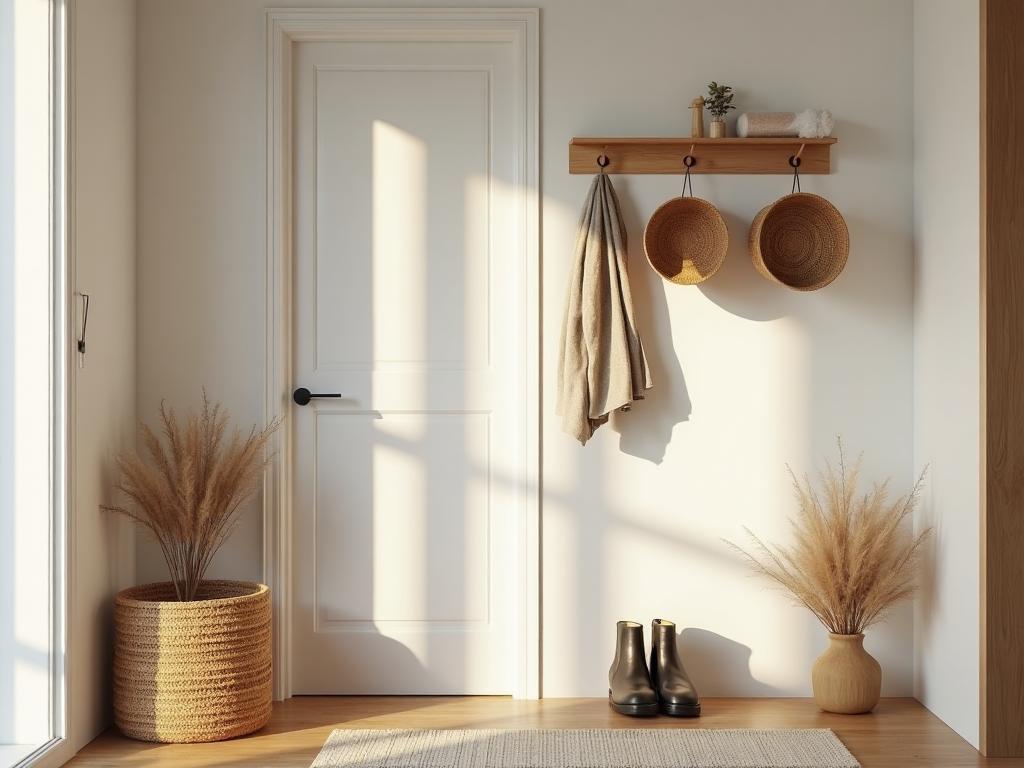
Hang an over-door rack on closet, bathroom, or pantry doors to hold shoes, toiletries, cleaning supplies, or accessories. Because the storage sits in a single visible row on the back of the door, everything stays in view rather than buried. Over-door hooks handle bulkier items like coats, bags, and towels.
Do not overlook the wall space directly above the door frame either. A short shelf mounted above a doorway is perfect for items you rarely need, using height that would otherwise be completely wasted.
Add a Pegboard for Flexible Storage
A pegboard turns a blank wall into a fully customizable, reconfigurable storage surface. Because you can move the hooks, shelves, and baskets around at will, a pegboard adapts as your needs change — a huge advantage in a small space where nothing stays the same for long.
Pegboards shine in kitchens for hanging utensils, pots, and mugs; in home offices for supplies and cables; and in entryways for keys, bags, and mail. Everything hangs in plain sight and within easy reach, which suits the tools and items you use constantly.
Mix hooks with small pegboard shelves and cups to store both hanging and loose items on the same wall. The result is a dense, flexible storage zone that occupies a surface which previously held nothing at all.
Hang Rails, Rods, and Magnetic Strips
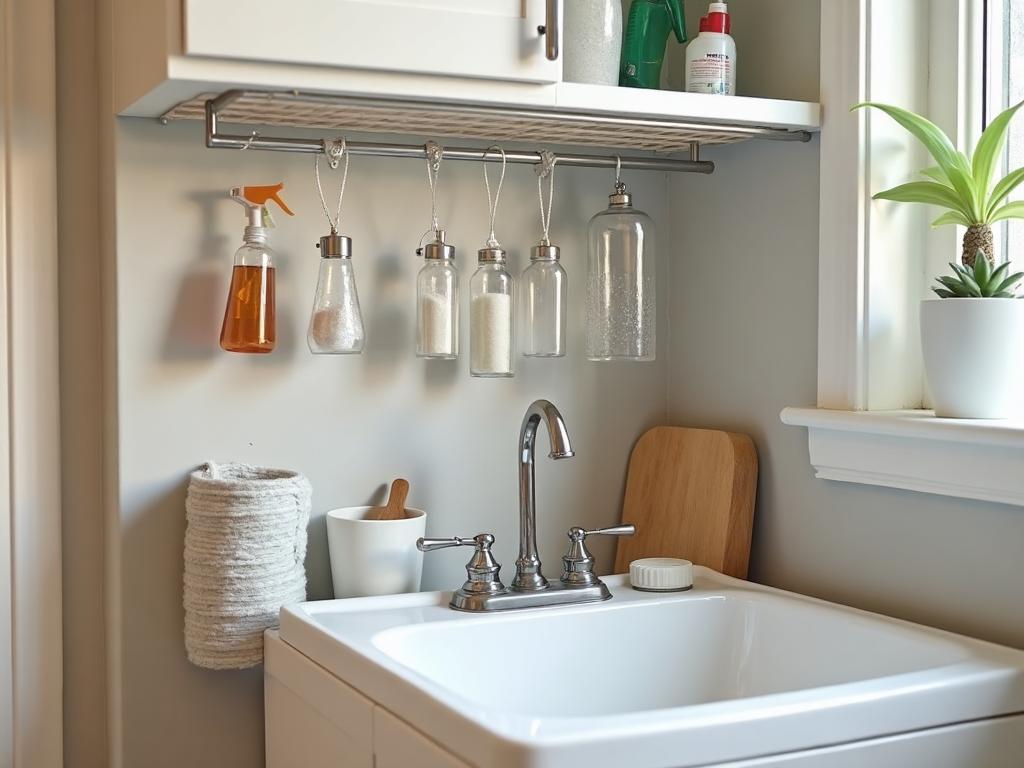
Some of the most efficient vertical storage uses almost no depth at all. Rails, tension rods, and magnetic strips mount flat against a wall and hold a surprising amount in the shallowest possible profile.
A kitchen rail with S-hooks hangs utensils, mugs, and pots off the counter and cabinet. A magnetic strip holds knives or spice tins on the wall. In the bathroom, a small rail organizes tools and brushes. These solutions free up drawers and counters by moving items onto otherwise blank vertical surfaces.
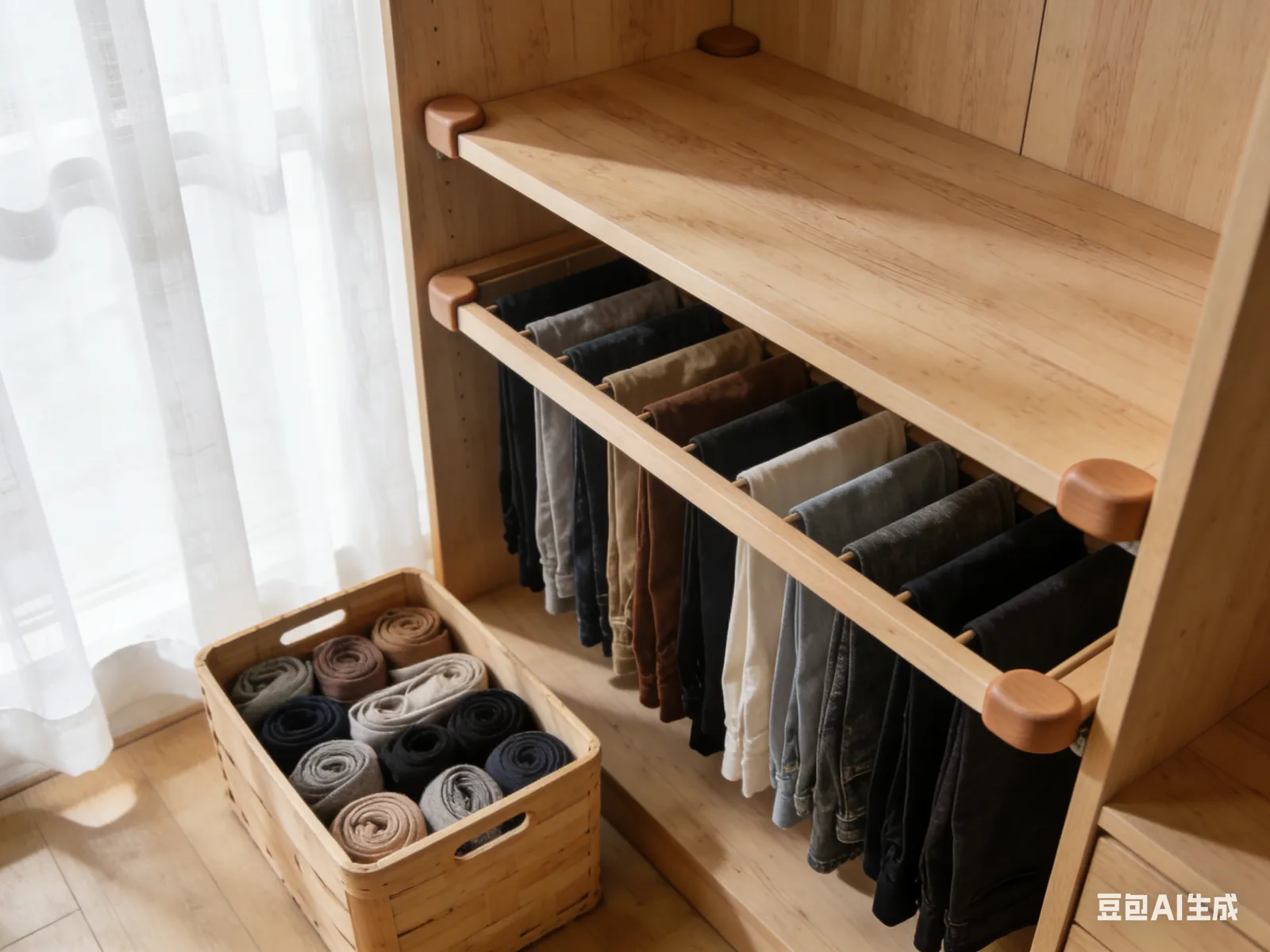
Tension rods are the renter's secret weapon here: mounted vertically or horizontally, they create hanging space inside cabinets, across windows, or in corners with no hardware and no holes. Add hooks or clips and a bare stretch of wall becomes functional storage.
Go All the Way to the Ceiling
The very top of the wall, near the ceiling, is the final frontier of vertical storage and the most underused space in nearly every apartment. Items you need only occasionally can live up there, freeing prime space below for daily use.
Mount a high shelf that runs around the top of a room to display books or store lightweight bins of seasonal and rarely used items. Extend closet storage with a shelf above the existing top shelf. In a kitchen, take cabinets or open shelving up to the ceiling instead of stopping short and wasting the gap above.
Use a sturdy step stool — ideally one that folds flat and stores in a narrow gap — to reach these heights safely. Reserve ceiling-level storage strictly for light items, both for safety and because you will not want to haul anything heavy up and down.
Hang Storage from Furniture and Fixtures
Vertical storage is not limited to walls. The undersides and backs of existing furniture offer hidden vertical opportunities that cost nothing in floor space.
Hang baskets or hooks on the sides of bookcases and the ends of counters. Mount a rack on the back of the sofa or a shelf on the side of the fridge. Use hanging organizers that drape over a closet rod to add tiered storage in vertical layers where you previously had a single rail.
These in-between spaces — the sides, backs, and undersides of things you already own — add up to meaningful storage in a small apartment precisely because they use dimensions most people never think to fill.
Keep Vertical Storage Balanced and Safe
Building upward comes with two rules that keep it working: weight distribution and visual balance. Ignore either and vertical storage becomes unsafe or oppressive.
Always place the heaviest items lowest and lightest items highest, both to prevent tipping and to keep the wall from feeling top-heavy. Secure all tall units and high shelves properly, and never overload adhesive or lightweight mounts beyond their rated capacity.
Visually, leave some breathing room rather than covering every inch of wall. A few open stretches between vertical storage zones keep the room feeling airy instead of walled in, which preserves the sense of openness that makes a small apartment livable.
Plan Your Vertical Zones Room by Room
The most effective vertical storage is planned, not improvised. Walk through each room and identify the specific empty vertical surfaces you can put to work.
In each space, note the walls above furniture, the backs of doors, the tops of walls, and the shallow gaps beside cabinets and appliances. Match each surface to the items that naturally belong there — utensils near the stove, toiletries in the bathroom, books by the desk — so vertical storage stays convenient rather than random.
By systematically claiming the height in every room, you can multiply a small apartment's storage capacity without adding a single piece of floor-standing furniture, keeping the space open, functional, and comfortably uncluttered.