Living in a studio apartment means every inch counts, and creating the illusion of separate rooms requires strategic planning and creative organization. These studio apartment organization ideas will help you create distinct living zones and maximize your single-room space without sacrificing style or functionality.
Studio living presents unique challenges that require innovative solutions. The key to successful studio organization lies in creating visual separation, maximizing vertical space, and choosing furniture that serves multiple purposes while maintaining the flow and openness that makes studios feel larger than they actually are.
Master the Art of Visual Zone Creation
Use area rugs, curtains, and strategic furniture arrangement to define separate areas for sleeping, working, and relaxing. Different sized rugs create natural boundaries that help your brain perceive distinct spaces even in a single room. Place your bed on one rug, your seating area on another, and your workspace on a third smaller rug.
Curtains offer incredible flexibility in studio spaces. Hang ceiling-mounted track systems or tension wire to create temporary room divisions that can be opened or closed as needed. Sheer curtains maintain natural light while providing privacy, while heavier fabrics create more defined separation between zones.
Furniture placement is crucial for zone definition. Position your bed in the corner furthest from the main entrance to create a natural sleeping area. Use bookcases or open shelving units to separate your workspace from living space without creating complete barriers that make the room feel cramped.
Invest in Versatile Room Dividing Solutions
A folding screen provides instant privacy and can be repositioned throughout the day. Choose screens with attractive designs that complement your decor rather than hide your space. Screens with built-in storage offer double functionality, providing hanging space or small shelves while dividing rooms.
Bookshelves serve as excellent room dividers because they provide storage while maintaining visual flow. Position bookshelves perpendicular to walls to create temporary walls that don't feel permanent. Fill them with books, decorative items, and plants to create an attractive divider that serves multiple purposes.
Curtain walls create the most flexible division options. Heavy curtains provide complete privacy for sleeping areas, while lighter fabrics create softer separation. Consider floor-to-ceiling curtains in a color that complements your decor but doesn't overpower the space.
Loft Bed Solutions for Maximum Space
If your ceilings allow, a loft bed creates an entirely new floor space underneath that's perfect for a desk, seating area, or additional storage. This solution transforms the upper portion of your studio into a sleeping area while freeing up valuable floor space for daily activities.
Modern loft beds come in various configurations: some include built-in desks, others provide open space underneath for seating areas. Choose lofts with guardrails for safety and consider the height requirements—you'll need adequate clearance to sit comfortably underneath without hitting your head.
For the space under your loft bed, consider: a compact desk setup with built-in storage, a cozy reading nook with floor cushions and side tables, or additional storage systems for seasonal items and clothing. This creates a distinct workspace or relaxation area separate from your main living space.
Convertible and Multi-Functional Furniture
Murphy beds fold up against the wall, freeing floor space during the day for other activities. Modern Murphy bed systems can be custom-designed to include storage, shelving, or even desk functionality when folded up. This solution is ideal for studios where the bedroom needs to disappear during the day.
Convertible sofas that transform into beds serve both seating and sleeping functions without requiring separate furniture pieces. Look for models with built-in storage compartments for bedding, pillows, and seasonal items. Drop-leaf tables expand when you need surface area for dining or working and fold down to save space when not in use.
Consider nesting tables that can be tucked under each other when not needed, expandable dining tables that seat two for daily use but expand for entertaining, and ottomans that open to reveal storage space while serving as extra seating.
Optimize Closet Space as a Storage Command Center
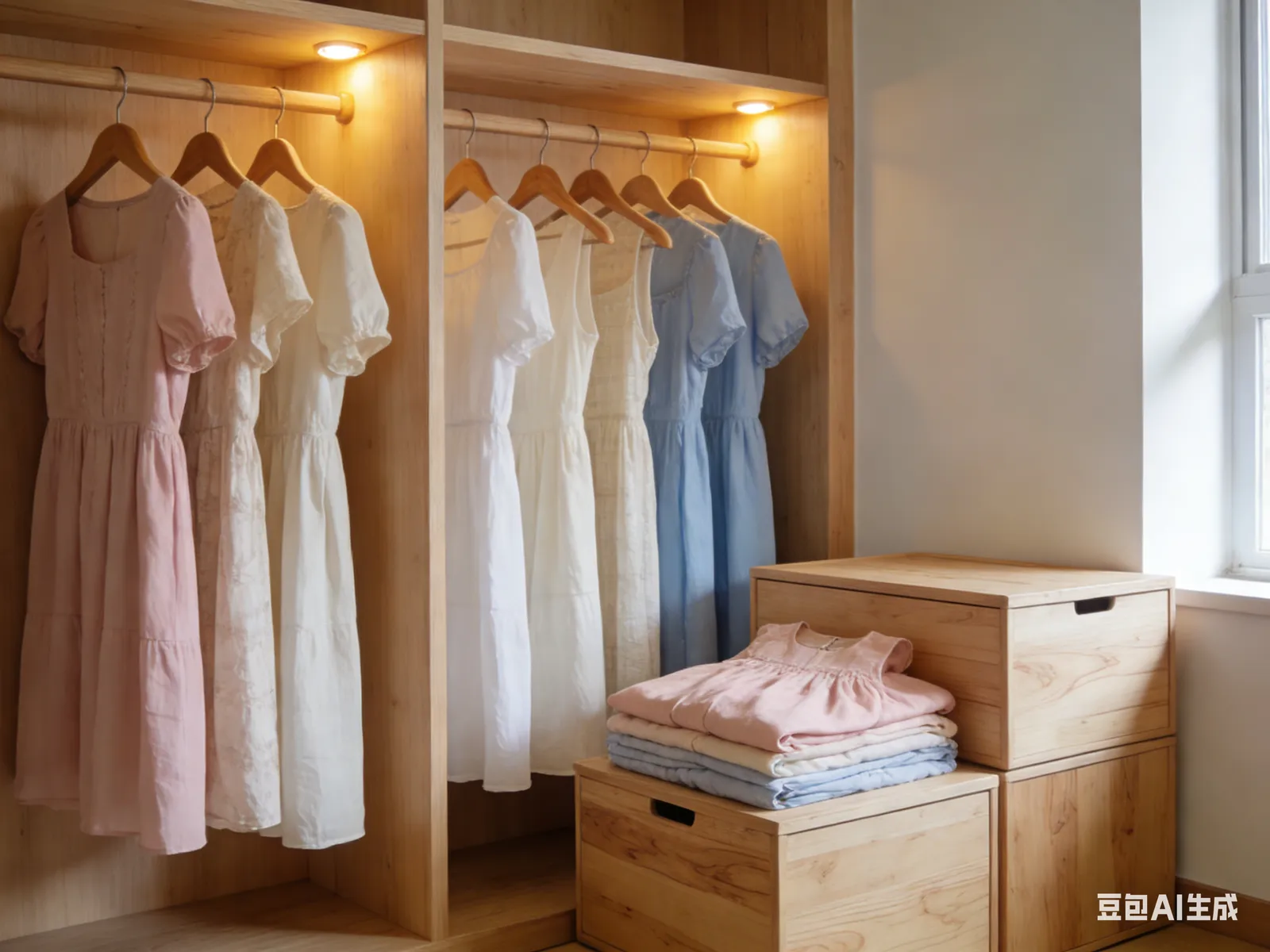
In a studio apartment, your closet might be your only dedicated storage space, so it needs to work harder than any closet in a larger apartment. Transform your closet into a storage command center by adding organizational systems that accommodate everything from clothes to kitchen supplies.
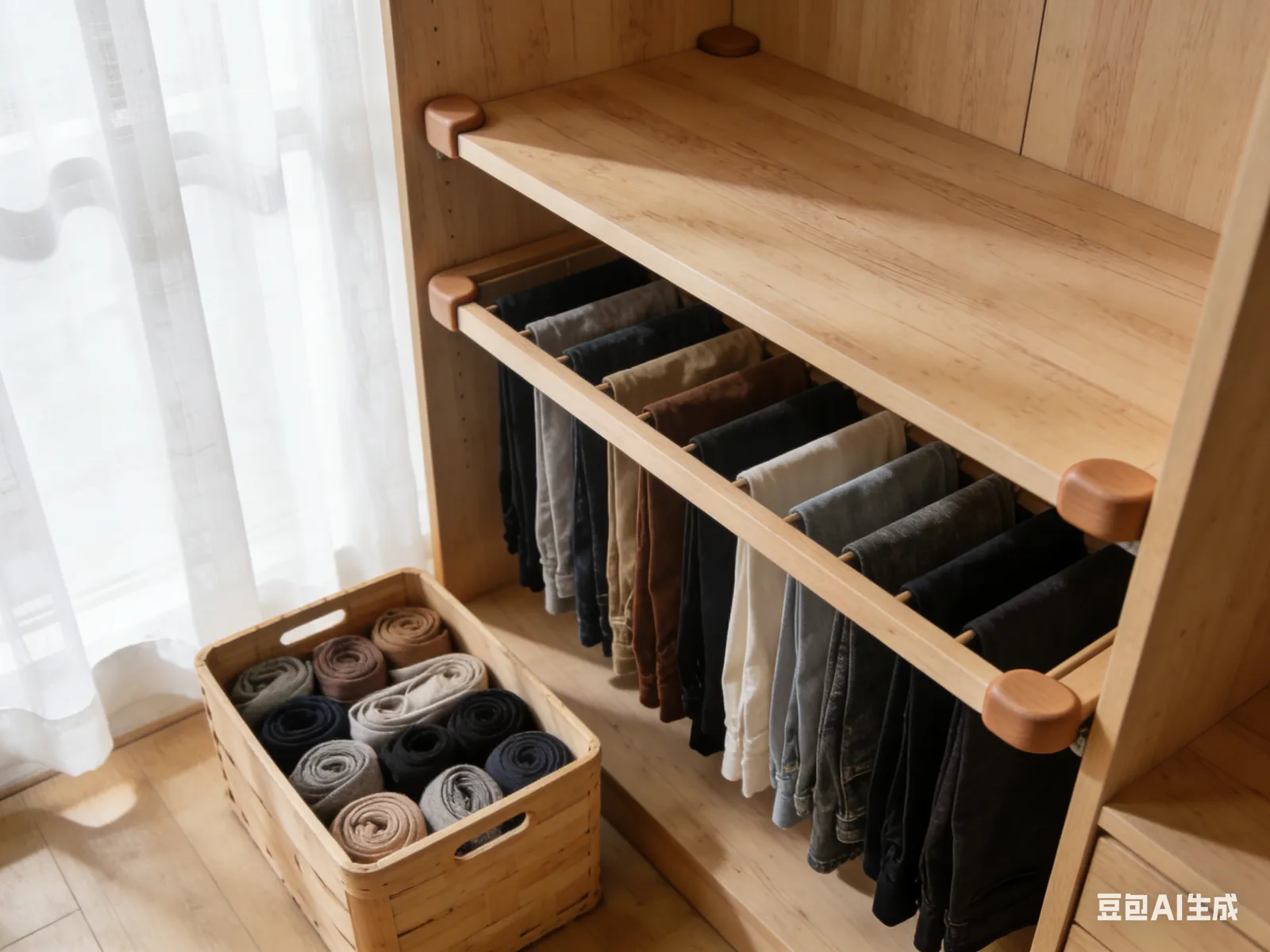
Install double hanging rods to maximize vertical space. Use the top rod for longer garments and the bottom rod for shorter pieces. Add shelf dividers to prevent stacks of folded clothes from toppling over. Consider pull-out drawers or baskets that slide out for easy access to items stored in the back of the closet.
Use the interior of closet doors for additional storage. Over-door organizers can hold shoes, accessories, or even kitchen items if your kitchen space is limited. Magnetic strips attached to the inside of closet doors can hold metal containers, tools, or small appliances.
Implement Hidden Storage Throughout Your Space
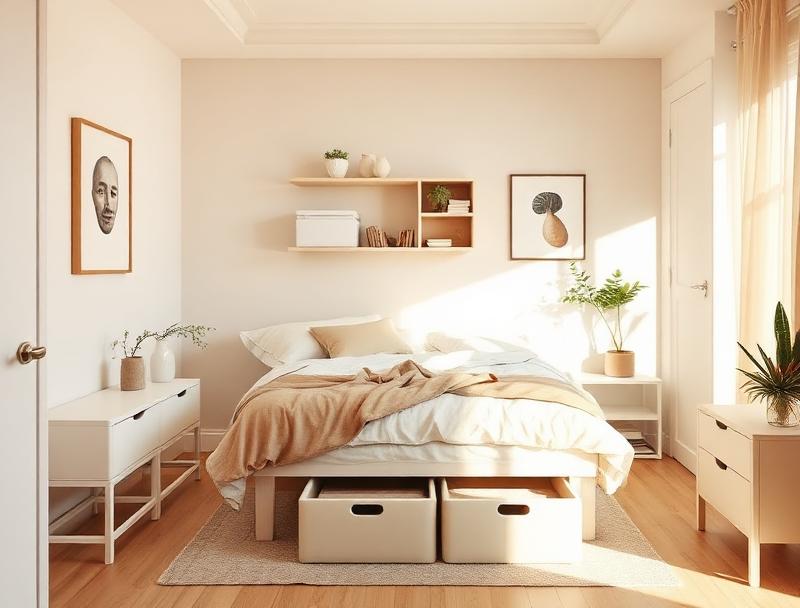
In a studio apartment, every piece of furniture should serve multiple functions. Choose beds with built-in drawers for storing linens, off-season clothing, or books. Storage benches provide seating while hiding extra pillows, blankets, or seasonal items inside.
Hollow ottomans with removable tops create hidden storage for items you want to keep handy but out of sight. Look for ottomans that match your decor and consider versions with internal compartments sized for specific items like magazines, remotes, or craft supplies.
Invest in furniture with built-in charging stations and cable management systems. Coffee tables with hidden compartments keep electronics and chargers organized while maintaining a clean, uncluttered appearance that's essential in small spaces.
Create Vertical Storage Solutions
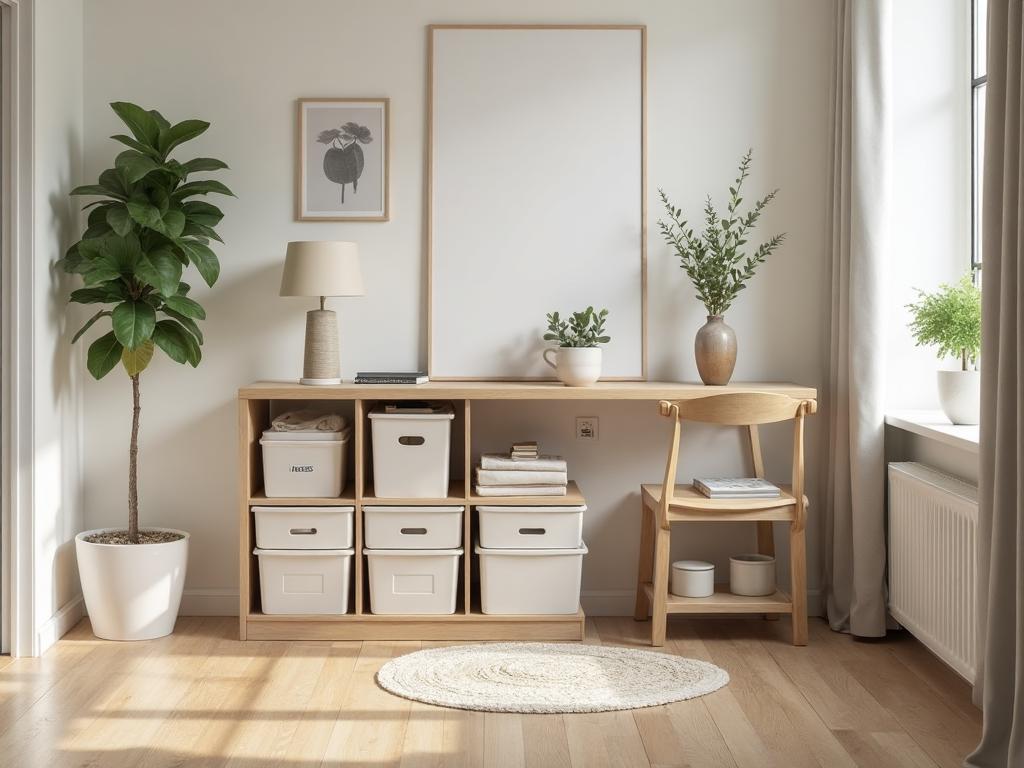
Make the most of your vertical space by installing floating shelves, tall bookcases, and wall-mounted storage systems. Floating shelves provide storage without taking up floor space and can be arranged in aesthetically pleasing patterns that add visual interest to your walls.
Tall, narrow bookcases provide substantial storage in minimal floor space. Choose models with adjustable shelves that can accommodate items of varying heights. Place these bookcases strategically to serve as room dividers while providing extensive storage for books, decorative items, and everyday necessities.
Wall-mounted systems like pegboards or modular wall storage allow you to customize your storage configuration as your needs change. These systems work particularly well in kitchens, home offices, or craft areas where adjustable storage is essential.
Optimize Natural Light and Visual Flow
Maximize natural light by keeping windows clear of heavy curtains or furniture that blocks light. Use sheer curtains or light-colored blinds that allow sunlight to filter through while providing privacy. Natural light makes small spaces feel larger and more welcoming.
Maintain visual flow by avoiding too many visual barriers. While some separation is necessary for function, too many divisions can make your studio feel cramped. Balance privacy needs with the openness that makes studios feel larger than they are.
Use mirrors strategically to create the illusion of more space and reflect natural light throughout your apartment. Large mirrors positioned across from windows can double the visual impact of natural light and make your space appear much larger than it actually is.
Smart Storage Solutions for Daily Living
Create designated storage zones for different aspects of your daily routine. A mudroom area near the entrance can house coats, keys, and daily bags. A work zone should have easily accessible storage for office supplies and materials. Your relaxation area needs storage for books, remotes, and comfortable accessories.
Use under-bed storage for items you don't need daily but want to keep accessible. Vacuum-sealed bags work well for seasonal clothing, while rolling storage bins can hold extra linens, books, or hobby supplies.
Implement a daily organization routine that involves putting items back in their designated spaces. In a studio, maintaining organization is crucial because clutter is immediately visible and can make the space feel overwhelming much more quickly than in larger apartments.