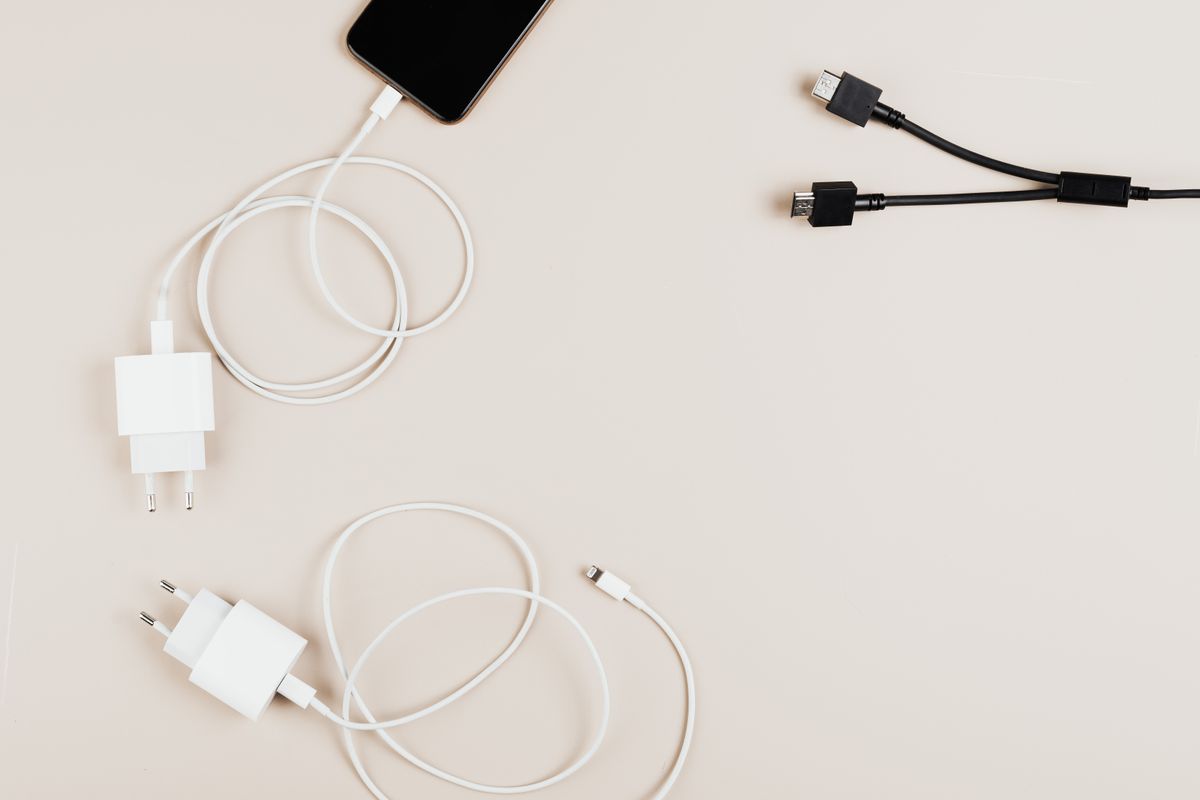
Cables are the clutter people forget to count. You can organize every drawer in a small apartment and still have it look chaotic because a tangle of black cords runs across the floor, down the back of the desk, and out from behind the TV. These small apartment cable organization hacks get that visual noise under control.
Cords matter disproportionately in small spaces for two reasons. Visually, a small room has less area to absorb mess, so a tangle occupies a larger share of what you see. Practically, outlets in small apartments are few and badly placed, so cords are forced to travel across the room rather than staying tucked behind furniture.
Inventory and Discard Cables You Do Not Need
Start by pulling every cable out of every drawer and box. Most households store a remarkable number of cords for devices they no longer own.
Sort them into three groups: in active use, genuine spares worth keeping, and obsolete. Be strict with the third group — old proprietary chargers, cables for retired devices, and the fourth identical spare all belong in an e-waste bin rather than in your limited storage.
Most people can cut their cable collection in half. Keep one spare of the connector types you actually use and let the rest go; electronics stores and municipal facilities generally accept cables for recycling.
Label Every Cable You Keep
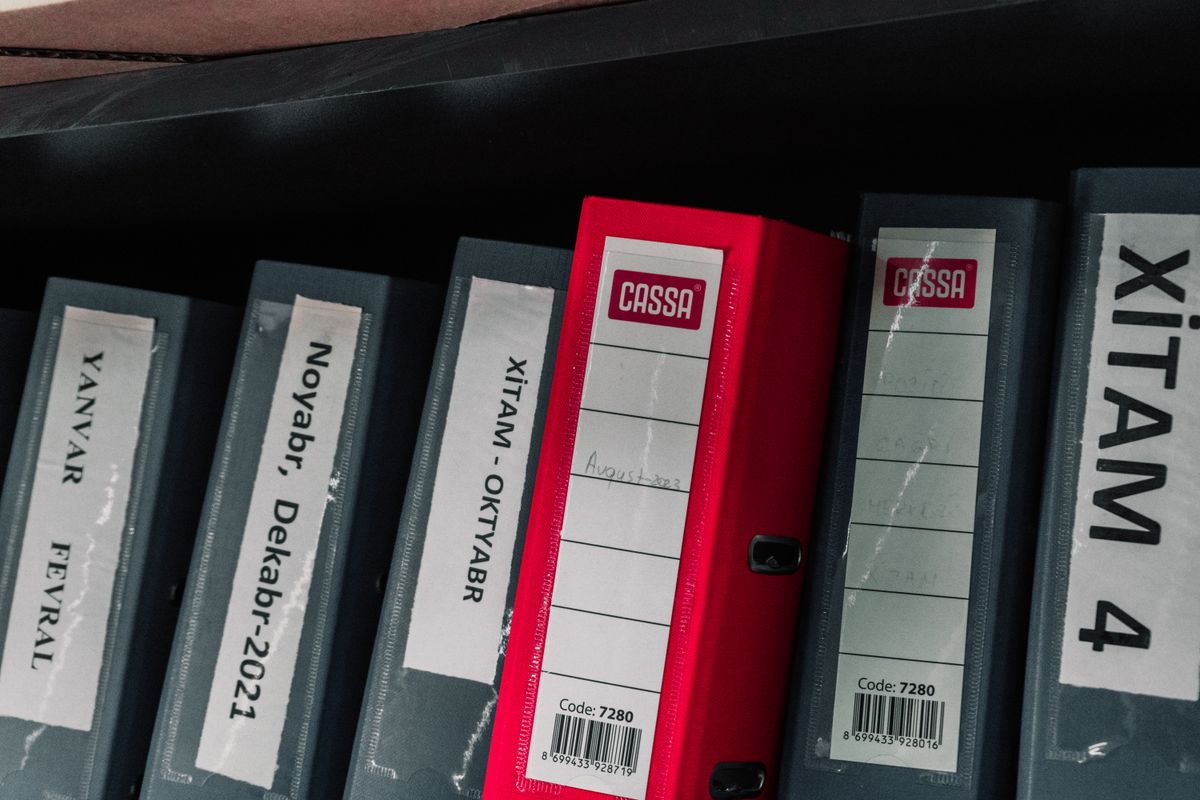
Unlabeled cables are why you unplug the wrong thing and why the drawer becomes a mystery bin. Labeling takes minutes and pays off permanently.
Wrap a small strip of masking tape or a bread-bag tag near each plug and write what it connects to. For cables behind a desk or TV, label both ends so you can trace a cord without following it by hand through a bundle.
This is particularly valuable in a small apartment where devices are packed close together and a single power strip may serve a lamp, a router, a monitor, and a charger. Labels turn a five-minute untangling job into a two-second glance.
Mount the Power Strip Off the Floor
A power strip lying on the floor is the anchor of most cable mess, and it collects dust while creating a trip hazard in a room with narrow walkways.
Mount the strip to the underside of a desk, the back of a nightstand, or the wall using adhesive strips or a mounting bracket. Lifting it off the floor immediately removes the central knot of the tangle and lets cords run in defined lines rather than pooling.
Choose a strip with a long cord and widely spaced outlets so bulky adapters do not block adjacent sockets. In an apartment with few outlets, spacing matters more than the total number.
Bundle Runs with Sleeves and Clips
Multiple cables running the same direction look far worse separately than they do bundled. Grouping them turns five visible cords into one clean line.
Use a fabric or split-tube cable sleeve to gather the cords running from your desk or TV to the outlet. Add adhesive cable clips along the desk edge, wall, or baseboard to route the bundle in a straight line rather than letting it sag.
Velcro straps are better than zip ties for anything you may change later, because you can reopen them without cutting. For a small apartment where you rearrange furniture often, reusable is the right choice.
Hide Cords Behind and Under Furniture
The best cable management makes cords invisible rather than merely neat, and existing furniture provides most of the hiding places.
Route cables behind the sofa, under a rug along its edge, or along the back of a bookcase. Adhesive clips under a desktop keep cords pressed against the underside where nobody sees them. A cord cover channel painted to match the wall handles the unavoidable run across an open stretch.
Where a cord must cross a walkway, use a low-profile floor cover rather than leaving it loose. In a small apartment the walkways are narrow enough that a loose cord is a genuine hazard, not just an eyesore.
Contain Router and Modem Clutter in a Box
The router and modem are usually the ugliest cluster of cords in a small apartment, sitting in plain sight because that is where the wall jack is.
Put them in a ventilated cable management box or a decorative basket with holes cut for the cords. This hides the devices and the excess cable length in one move while keeping them accessible. Ventilation matters — networking gear runs warm and should not be sealed in an airtight container.
Alternatively mount the router on the wall behind or above furniture. Getting it off a surface both hides the cords and frees a shelf, which is a double win in a small apartment.
Set Up a Single Charging Station
Chargers scattered across an apartment mean cords in every room and a phone that is never where its cable is. Consolidating them solves both problems.
Designate one charging spot — a corner of the desk, a shelf, or a nightstand — with a multi-port charger so several devices share one outlet and one cord to the wall. A small tray or box on that spot holds devices while they charge instead of leaving them loose.
Add an adhesive hook or clip beside it to hold cable ends upright so they never slip behind the furniture. Keep one additional charger by the bed if you need it, and resist adding more; each extra location means another cord to manage.
Store Spare Cables Coiled and Contained
Spare cables tangle because they are stored loose in a drawer where they can intertwine. Coiling and containing each one individually prevents it completely.
Coil each spare cable and secure it with a velcro strap or a twist tie, then store the coils upright in a small box, a pouch, or the pockets of a hanging organizer. One cable per pocket or slot means removing one never disturbs the others.
Toilet paper tubes work well as free dividers: slide one coiled cable into each tube and stand the tubes in a shoebox. It costs nothing and turns a tangled drawer into a sorted, labelable grid.
Recheck the Setup Whenever You Rearrange
Cable organization degrades every time you move furniture, add a device, or change where you work — all of which happen often in a small apartment.
Whenever you rearrange, take five minutes to re-route and re-clip the affected cords rather than leaving them draped temporarily, because temporary becomes permanent. Do a full pass a couple of times a year: unplug everything, dust behind the furniture, discard cables for devices you no longer own, and re-bundle the runs.
With an honest purge, labeled cables, a mounted power strip, bundled and hidden runs, and one consolidated charging station, tech clutter stops competing for the limited visual space in a small apartment.