Student apartments compress an entire life into one room. You sleep, study, eat, and relax in the same few hundred square feet, usually on a tight budget, often with a roommate, and almost always with a lease that forbids drilling holes. These small apartment organization ideas for students are built around exactly those constraints.
What makes student organization different is that the room has to switch modes constantly. A space that works for studying at 2pm needs to work for sleeping at midnight and hosting friends on Friday. Rather than one perfect layout, you need clear zones, cheap flexible storage, and habits that reset the room quickly.
Create a Dedicated Study Zone
The most important organizational decision in a student apartment is separating where you study from where you sleep. Studying in bed damages both your focus and your sleep, and it guarantees your bed becomes a pile of books and laptops.
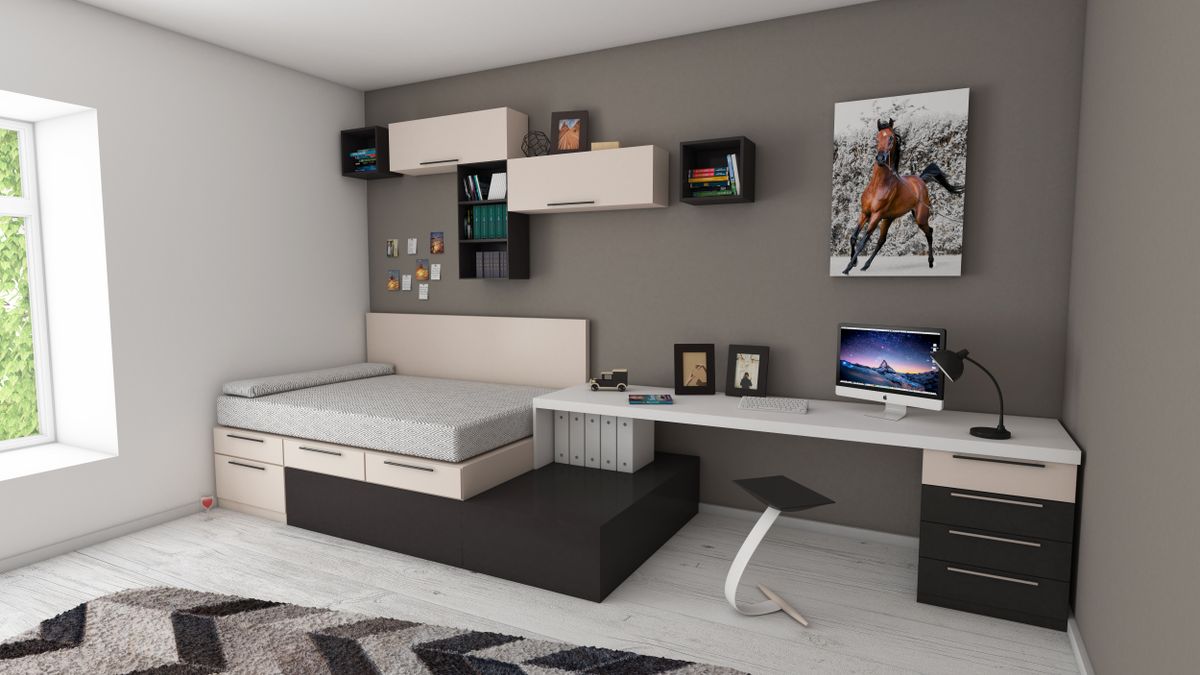
Even in the smallest room, carve out a defined study spot — a desk against a wall, a corner desk, or a narrow table under a window. Position it away from the bed and give it its own lamp, which signals to your brain that this is work mode regardless of how small the physical separation is.
Keep the study surface clear of everything except what you are working on. In a room this small, a cluttered desk is the difference between sitting down to work immediately and spending ten minutes clearing space first, which is often the ten minutes that stops you starting at all.
Store Books and Course Materials Vertically
Textbooks are heavy, bulky, and multiply every semester. Piling them on the floor or the desk is the default and the worst option.
Use a tall narrow bookcase or wall-mounted shelves above the desk to store books upright, which uses vertical space and keeps titles visible. Keep only current-semester materials within reach and box up completed courses, or sell and donate them at the end of each term.
A magazine file or upright folder holder handles loose papers, printouts, and notebooks per subject. One file per course keeps material separated without the space a filing system would need.
Use Every Inch Under the Bed
In a student apartment, under-bed space is not optional storage — it is essential. It is usually the single largest storage area you have.
Use low lidded bins on wheels for off-season clothing, extra bedding, shoes, and anything you need only occasionally. If your bed sits low, bed risers are a cheap upgrade that can double the usable volume underneath in about ten minutes.
Suitcases are especially useful here: store them under the bed and fill them with off-season clothes so the luggage itself becomes a container rather than empty wasted space. Between semesters, they come out already partly packed.
Choose Cheap Multi-Purpose Furniture
On a student budget, every piece of furniture needs to do at least two jobs, and secondhand is almost always the smarter buy.
A storage ottoman is seating, a footrest, and a storage box. A bedside crate holds books and serves as a nightstand. Stackable crates become shelving that reconfigures each time you move — a real advantage when you relocate annually. A folding chair provides guest seating and stores flat behind a door.
Check thrift stores, campus marketplaces, and end-of-term giveaways, where students leaving town often sell furniture cheaply or give it away. Prioritize pieces with hollow interiors or that fold, and skip anything bulky that only does one thing.
Rely on Damage-Free Wall Solutions
Student leases are typically strict about wall damage, and deposits are worth protecting. Fortunately the best small-space tools require no holes.
Use adhesive hooks for coats, bags, keys, and towels; tension rods for hanging storage inside closets or across alcoves; and over-the-door organizers for shoes and supplies. Adhesive-mounted shelves handle books and light items on the wall above a desk.
Prepare surfaces with rubbing alcohol before applying adhesive, respect the weight limits, and remove hooks by pulling the tab straight down rather than yanking outward. Done properly, you get an entire wall storage system and leave no trace.
Organize Clothing with Vertical Layers
Student apartment closets are usually tiny, and a single rod with a shelf above wastes most of the available height.
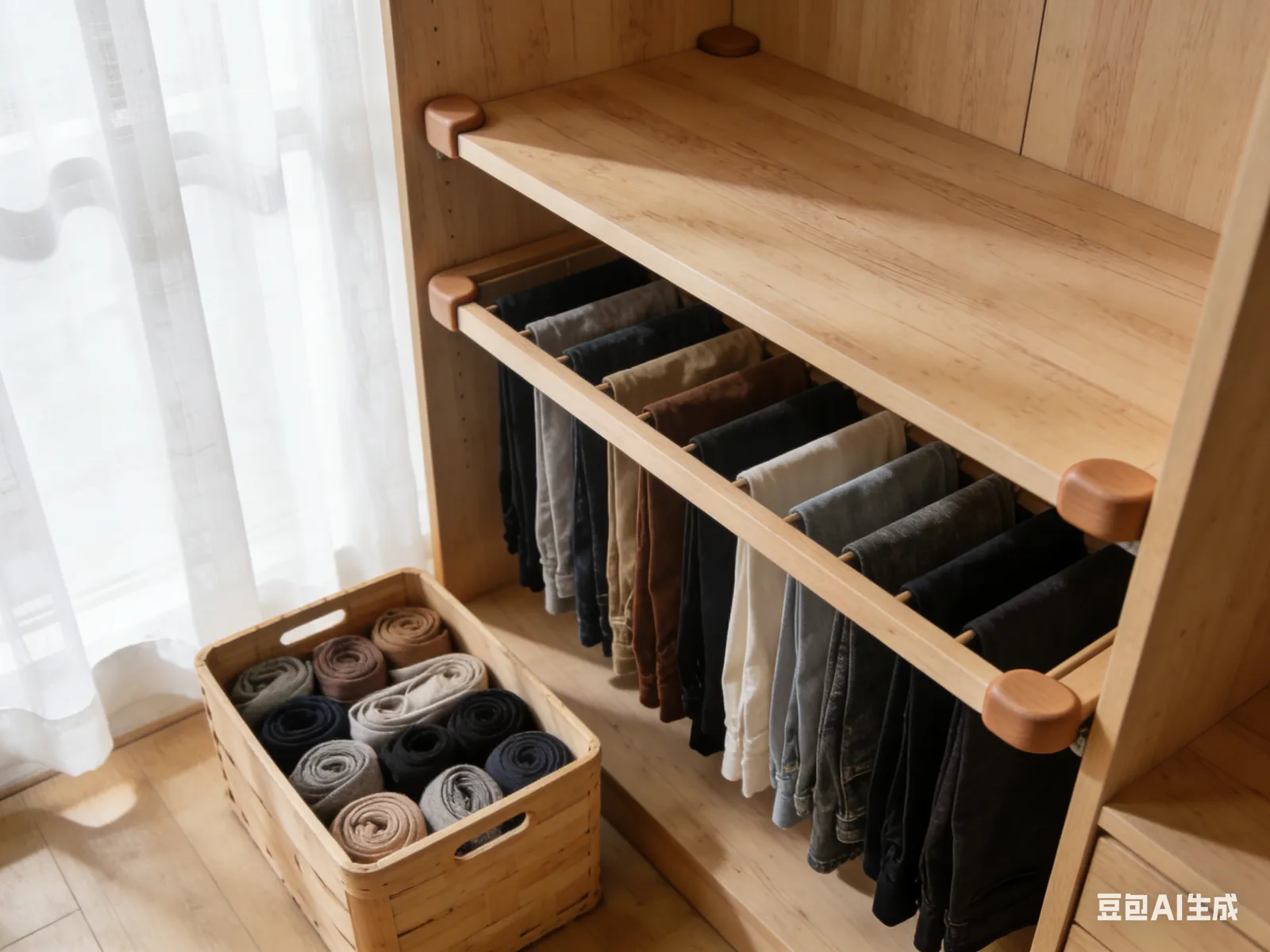
Add a hanging rod extender to create a second tier for shirts and folded items, and use a hanging fabric organizer for sweaters, jeans, and accessories. Over-the-door shoe organizers hold far more than shoes — they are excellent for socks, chargers, snacks, and toiletries.
Rotate seasonally rather than keeping a full year of clothing accessible. Off-season items go under the bed or into a bin on the closet's top shelf, keeping the daily wardrobe small and quick to navigate.
Set Up a Compact Kitchen and Snack System
Whether you have a small kitchen or just a corner with a microwave and kettle, food storage in student housing needs to be tight and contained.
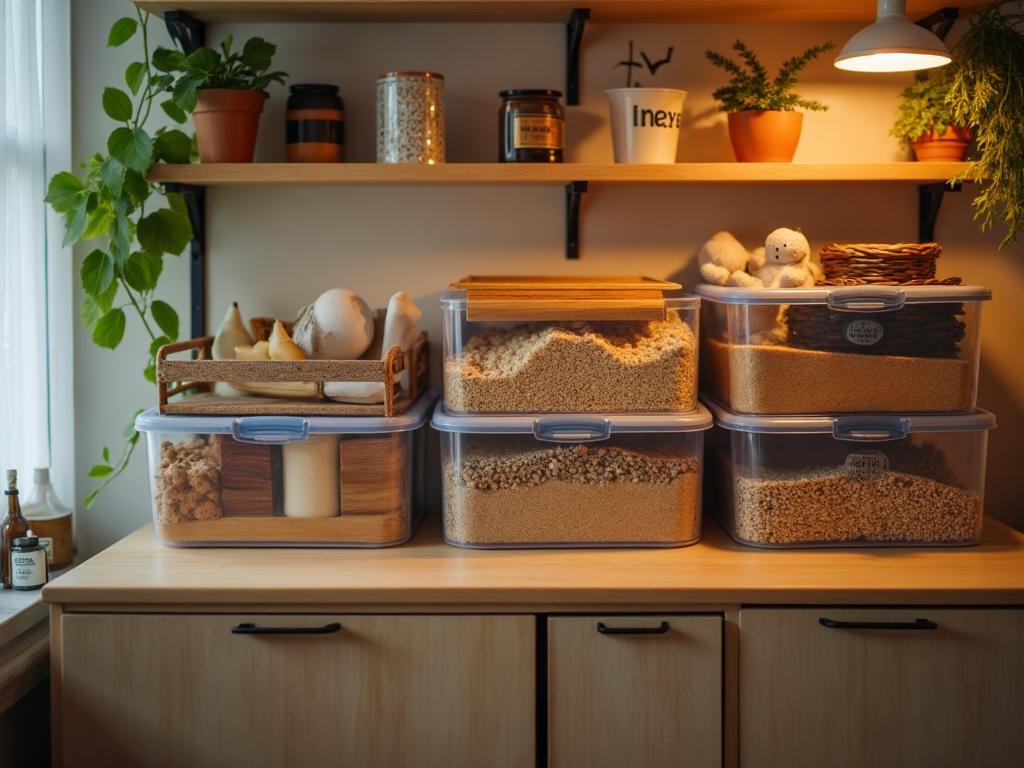
Use a single labeled bin or a small shelf as your entire snack and dry goods zone, and decant frequently used items into stackable containers to save space and keep pests out. A rolling cart works well as a mobile mini-kitchen holding a kettle, mugs, and food on separate tiers.
Keep dishware minimal: one or two plates, bowls, mugs, and sets of cutlery per person. A student apartment does not need a dinner service, and every extra piece competes for scarce cabinet space.
Share Space Fairly with a Roommate
If you share the apartment, organization is as much about agreements as about storage. Most roommate friction traces back to undefined boundaries rather than genuine lack of space.
Divide shared storage explicitly — half the closet, specific shelves, labeled bins in the fridge — so nobody guesses. Give each person a personal zone they control entirely, and agree on standards for shared areas like the desk, kitchen, and floor.
Agree who handles which recurring tasks rather than assuming. A short shared reset a few times a week, done together, keeps common areas livable without one person quietly absorbing all the work.
Reset the Room Daily and Purge Each Term
A student apartment goes from organized to chaotic in about three days without maintenance, because so many activities happen in one space.
Spend five to ten minutes each evening returning items to their zones: books to the shelf, clothes to the closet or hamper, dishes to the kitchen, desk cleared. This short habit is what makes a one-room life sustainable through a busy term.
At the end of each semester, do a real purge. Sell or donate finished textbooks, discard dead pens and dried markers, and clear out anything you did not touch all term. Because you likely move every year, staying lean is not just about organization — it makes each move dramatically easier and cheaper.